

Teeth grinding is more common than most people think. Studies show that nearly 10% of adults experience sleep bruxism, also known as nighttime teeth grinding. Many people do not even realize they grind their teeth until they wake up with jaw pain, headaches, or damaged teeth. According to the Canadian Dental Association, untreated grinding can lead to enamel loss, cracked teeth, gum issues, and chronic jaw discomfort.
If you often wake up with facial tension or tooth sensitivity, using a mouth guard for teeth grinding may help protect your smile and improve your sleep quality. A properly fitted night guard creates a protective barrier between your upper and lower teeth. This reduces pressure and prevents long-term damage.
In this guide, you will learn how a night guard works, the different types available, signs you may need one, and how to choose the best option for long-term oral health. You will also discover why many patients trust Imperial Dental Smile for expert dental care and custom night guards in Gurgaon.
What Is a Mouth Guard for Teeth Grinding?
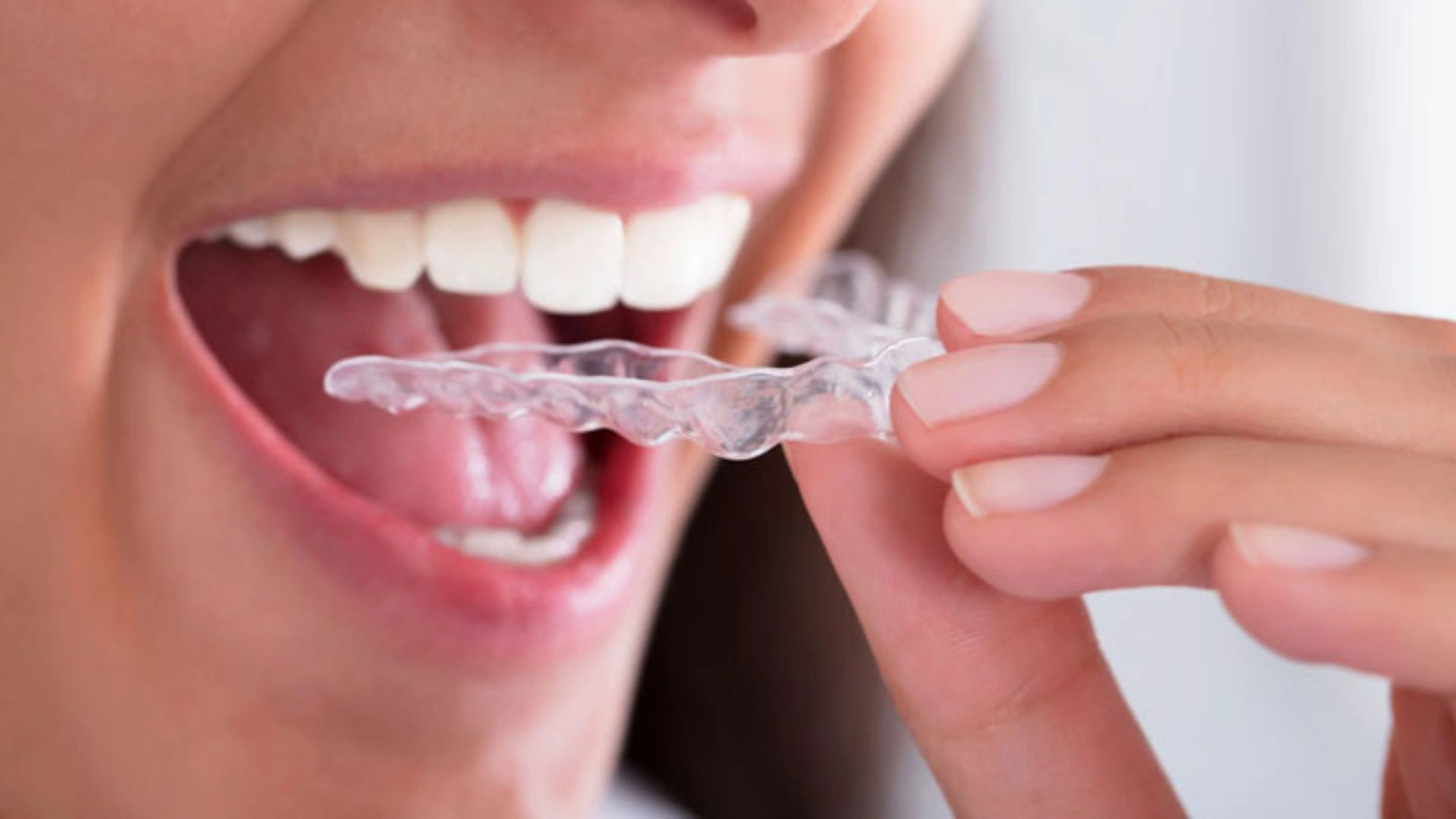
A mouth guard for teeth grinding is a dental appliance worn while sleeping. It protects the teeth from the harmful effects of clenching and grinding.
This appliance is often called:
- Night guard
- Dental guard
- Occlusal guard
- Bruxism guard
- Night guard for teeth
The main purpose is simple. It prevents tooth surfaces from rubbing against each other during sleep.
People who grind their teeth often place extreme pressure on their jaw muscles. In some cases, the force can exceed 250 pounds. Over time, this pressure can damage teeth and strain the jaw joint.
A custom mouth guard absorbs this pressure and reduces wear on the teeth.
Common Signs You Need a Night Guard
Many people grind their teeth without knowing it. Here are some warning signs that may indicate you need a night guard for teeth:
1. Morning Jaw Pain
If your jaw feels tight or sore after waking up, nighttime grinding may be the reason.
2. Frequent Headaches
Teeth grinding can strain facial muscles and trigger tension headaches.
3. Tooth Sensitivity
Grinding slowly wears away enamel. This can make teeth sensitive to hot or cold foods.
4. Chipped or Cracked Teeth
Excess pressure during sleep can cause fractures or flatten tooth surfaces.
5. Clicking Jaw Sounds
Grinding may contribute to TMJ issues and jaw clicking.
6. Disturbed Sleep
Some people wake up multiple times during the night because of jaw clenching.
If you notice these symptoms, visiting a dental expert is important before the damage becomes severe.
Why Do People Grind Their Teeth?
Teeth grinding has several causes. In many cases, it is linked to stress or sleep habits.
Stress and Anxiety
Mental stress is one of the biggest causes of nighttime grinding. Many people clench their jaw unconsciously during sleep after stressful days.
Sleep Disorders
Conditions like sleep apnea are strongly associated with bruxism.
Misaligned Teeth
An uneven bite may increase grinding tendencies.
Lifestyle Habits
Excess caffeine, alcohol, and smoking can increase grinding episodes.
Certain Medications
Some antidepressants and neurological medications may contribute to teeth grinding. Understanding the root cause helps dentists recommend the best treatment plan.
How Does a Night Guard Work?
A custom mouth guard for teeth grinding works by creating a protective layer between your teeth.
Here is what it does:
- Reduces enamel wear
- Prevents cracked teeth
- Relieves jaw pressure
- Helps relax facial muscles
- Minimizes headaches caused by grinding
- Protects dental crowns and fillings
It is important to understand that a night guard usually does not stop grinding completely. Instead, it protects your teeth from damage while reducing pressure on your jaw.
Types of Mouth Guards for Teeth Grinding
Not every night guard is the same. Choosing the right one depends on your grinding severity and dental condition.
1. Stock Mouth Guards
These are pre-made guards available in stores.
Pros:
- Cheap
- Easy to buy
Cons:
- Poor fit
- Uncomfortable
- Less effective
- May affect breathing
These are usually not recommended for long-term use.
2. Boil-and-Bite Night Guards
These become softer in hot water and mold slightly to your teeth.
Pros:
- Better fit than stock guards
- Affordable
Cons:
- Limited durability
- Less precise fit
- Can wear out quickly
They may work temporarily for mild grinding.
3. Custom Mouth Guard for Teeth Grinding
A dentist creates this guard using impressions or digital scans of your teeth.
Pros:
- Precise fit
- Maximum comfort
- Better durability
- Strong protection
- Long-lasting
Cons:
- Higher cost initially
Most dental experts consider custom guards the best long-term solution.
At Imperial Dental Smile, patients receive high-quality custom night guards designed for comfort, durability, and effective jaw protection.
Best Night Guard for Teeth Grinding: What to Look For
Finding the best night guard for teeth grinding depends on several factors.
Comfort
A poorly fitted guard can disturb sleep. Custom guards usually feel more natural.
Material Strength
Heavy grinders need stronger materials to prevent quick wear.
Thickness
Thicker guards provide better protection for severe grinding.
Durability
A quality night guard should last for years with proper care.
Professional Fitting
Dentist-made guards reduce the risk of discomfort and jaw misalignment.
Benefits of Using a Mouth Guard for Teeth Grinding
Protects Tooth Enamel
Grinding slowly erodes enamel, which cannot grow back naturally.
Prevents Expensive Dental Treatments
Untreated grinding may lead to crowns, root canals, or implants later.
Reduces Jaw Pain
Night guards help distribute pressure more evenly.
Improves Sleep Quality
Less clenching often leads to more restful sleep.
Protects Dental Work
Crowns, veneers, and fillings are vulnerable to grinding damage.
Real-Life Example: How a Night Guard Helped a Patient
A 34-year-old IT professional in Gurgaon visited Imperial Dental Smile with complaints of severe morning headaches and jaw stiffness.
After evaluation, the dental team diagnosed nighttime bruxism. The patient received a custom mouth guard for teeth grinding designed specifically for his bite.
Within a few weeks:
- Morning headaches reduced significantly
- Jaw soreness improved
- Tooth sensitivity decreased
- Sleep quality became better
This is a common example of how early treatment can prevent serious dental complications.
Can Teeth Grinding Damage Your Teeth Permanently?
Yes. Severe grinding can permanently damage your teeth if left untreated.
Long-term effects include:
- Worn enamel
- Cracked teeth
- Gum recession
- Loose teeth
- Tooth fractures
- TMJ disorders
In advanced cases, people may require full-mouth rehabilitation. That is why early diagnosis matters.
Mouth Guard vs Retainer: What Is the Difference?
Many people confuse retainers with night guards.
Retainer
- Keeps teeth aligned after braces
- Thin and lightweight
- Not designed for grinding pressure
Night Guard
- Protects teeth from grinding
- Made with stronger materials
- Designed to absorb pressure
Using a retainer instead of a proper night guard may damage the retainer.
How Dentists Diagnose Teeth Grinding
A dentist may identify bruxism through:
- Tooth wear patterns
- Jaw tenderness
- Cracked fillings
- Muscle tightness
- Patient symptoms
In some cases, sleep studies are recommended if sleep apnea is suspected.
At Imperial Dental Smile, advanced digital diagnostics help identify grinding patterns accurately and create personalized treatment plans.
How to Care for Your Night Guard
Proper maintenance extends the life of your guard.
Daily Cleaning Tips
- Rinse after every use
- Brush gently with a soft toothbrush
- Use mild soap instead of toothpaste
- Let it air dry fully
Avoid:
- Hot water
- Harsh chemicals
- Leaving it exposed to sunlight
Storage
Keep it in a ventilated protective case.
How Long Does a Night Guard Last?
The lifespan depends on grinding severity and material quality.
Average Lifespan:
- Store-bought guards: 3–6 months
- Boil-and-bite guards: 6–12 months
- Custom guards: 3–10 years
Heavy grinders may need replacements sooner.
Can a Night Guard Stop Jaw Pain?
Yes. Many patients experience significant relief from jaw tension and TMJ discomfort after using a properly fitted night guard.
The guard reduces stress on jaw muscles and prevents excessive pressure during sleep.
However, severe TMJ cases may require additional treatments such as:
- Physiotherapy
- Bite correction
- Stress management
- Orthodontic treatment
Are Custom Night Guards Worth It?
A professionally made custom mouth guard for teeth grinding may cost more upfront, but it often saves money over time.
Why?
Because untreated grinding can lead to:
- Broken crowns
- Root canal treatment
- Tooth extractions
- Dental implants
Preventive care is usually far more affordable than restorative treatment.
Why Choose Imperial Dental Smile in Gurgaon?
Choosing the right dental clinic matters when dealing with teeth grinding and jaw problems.
Patients trust Imperial Dental Smile because of:
Experienced Dental Experts
The clinic offers advanced diagnosis and personalized care plans.
Digital Precision
Modern scanning technology ensures accurate and comfortable custom night guards.
Patient-Centered Care
Every treatment plan is tailored to the patient’s symptoms and lifestyle.
Advanced Dental Solutions
From bruxism treatment to restorative dentistry, the clinic provides complete dental care under one roof.
Trusted Reputation in Gurgaon
Many patients choose Imperial Dental Smile for long-lasting dental solutions and expert guidance.
Tips to Reduce Teeth Grinding Naturally
Along with wearing a night guard, these habits may help reduce grinding:
Reduce Stress
Meditation, yoga, and deep breathing may help relax jaw muscles.
Limit Caffeine at Night
Coffee and energy drinks may worsen grinding.
Avoid Chewing Hard Objects
Avoid chewing pens, ice, or fingernails.
Improve Sleep Hygiene
Better sleep habits may reduce grinding episodes.
Stay Hydrated
Dehydration may contribute to muscle tension.
Who Is Most at Risk for Teeth Grinding?
Certain groups are more likely to experience bruxism.
Adults Under Stress
Work pressure often contributes to nighttime clenching.
People with Sleep Disorders
Sleep apnea increases grinding risk.
Children
Some children grind teeth during growth phases.
People with Misaligned Bites
Uneven teeth can increase jaw strain.
Final Thoughts
Ignoring nighttime teeth grinding can lead to serious dental problems over time. A properly fitted mouth guard for teeth grinding protects your teeth, reduces jaw discomfort, and helps prevent expensive future treatments.
If you experience headaches, jaw tension, or worn teeth, it is important to seek professional evaluation early. Choosing the right night guard for teeth can make a major difference in your oral health and sleep quality.
For expert diagnosis and high-quality custom mouth guard for teeth grinding solutions, many patients trust Imperial Dental Smile in Gurgaon. Their experienced dental team provides personalized care designed to protect your smile for the long term.
FAQs
Does a mouth guard cure teeth grinding?
No. A mouth guard protects teeth from damage and reduces jaw pressure. It does not always stop the grinding behavior itself.
What is the best night guard for teeth grinding?
A custom-made dental guard created by a professional dentist is usually the best option because it offers the most accurate fit and protection.
Can I buy a night guard online?
You can buy over-the-counter options online, but custom guards from a dentist are generally more comfortable and durable.
How do I know if I grind my teeth at night?
Common signs include jaw pain, morning headaches, worn teeth, and tooth sensitivity.
Author