

Did you know that millions of people worldwide undergo dental procedures every year to save or replace damaged teeth? According to the American Association of Endodontists, over 15 million root canal treatments are performed annually, while dental implants have a success rate of 95–98%. These numbers highlight one important fact—both treatments are highly effective, but choosing the right one depends on your specific condition.
If you’re confused about root canal vs dental implant, you’re not alone. Many patients struggle to decide which option is better, less painful, and more cost-effective. The truth is, both treatments serve different purposes, and the best choice depends on your oral health, budget, and long-term goals.
In this guide, we’ll break down everything you need to know about root canal vs dental implant, including costs, pain levels, pros and cons, and expert recommendations, so you can make an informed decision with confidence.
What Is a Root Canal Treatment?
A root canal is a procedure used to save a natural tooth that is severely decayed or infected.
How it works:
- The dentist removes infected pulp inside the tooth
- Cleans and disinfects the root canals
- Fills and seals the tooth
- Usually adds a crown for protection
When is it recommended?
- Deep tooth decay
- Infection or abscess
- Cracked or damaged tooth
Key benefit:
You keep your natural tooth, which is always the best option when possible.
What Is a Dental Implant?
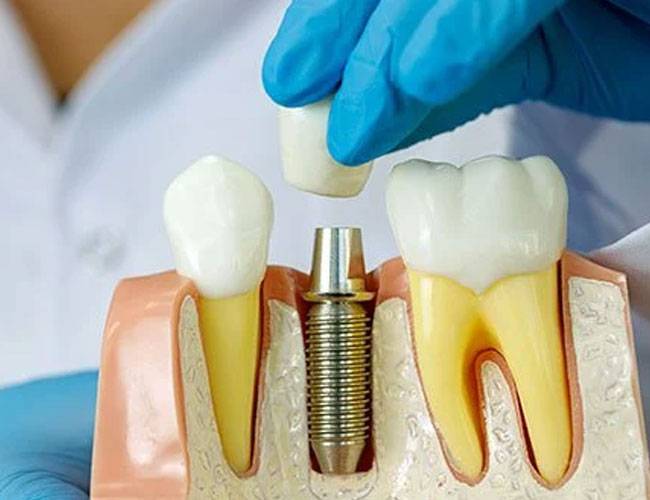
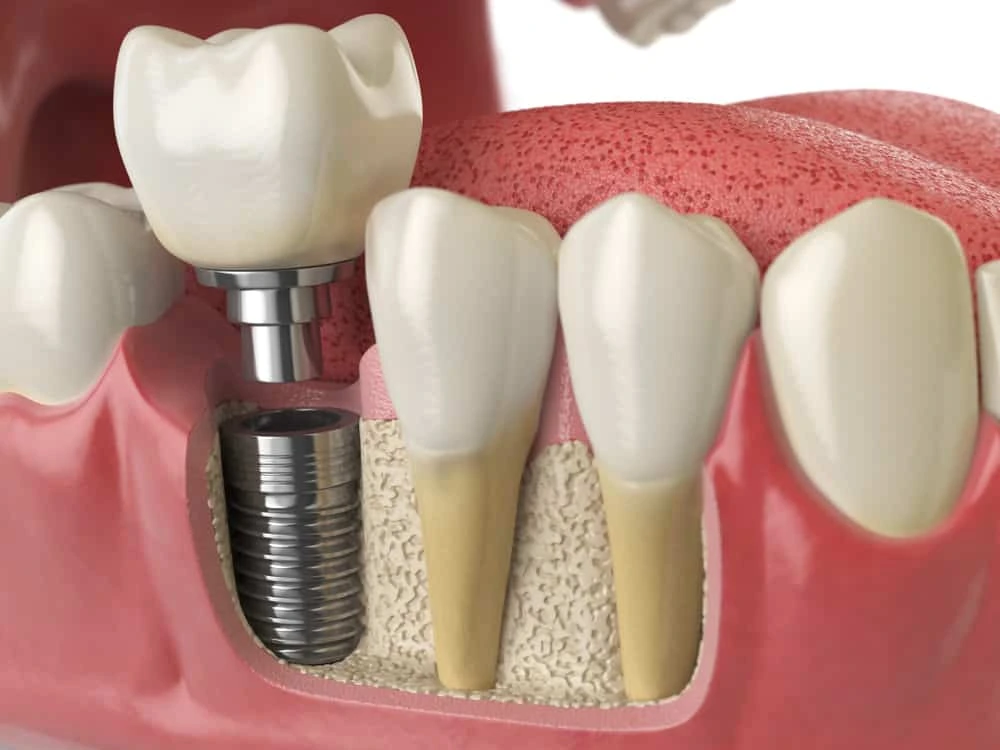
A dental implant is a permanent replacement for a missing or severely damaged tooth.
How it works:
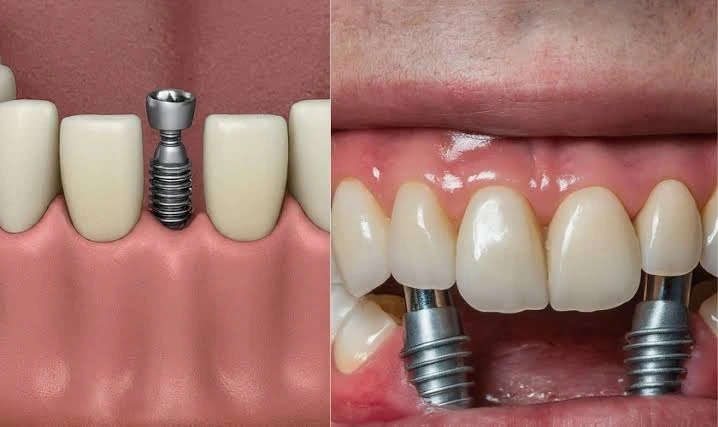
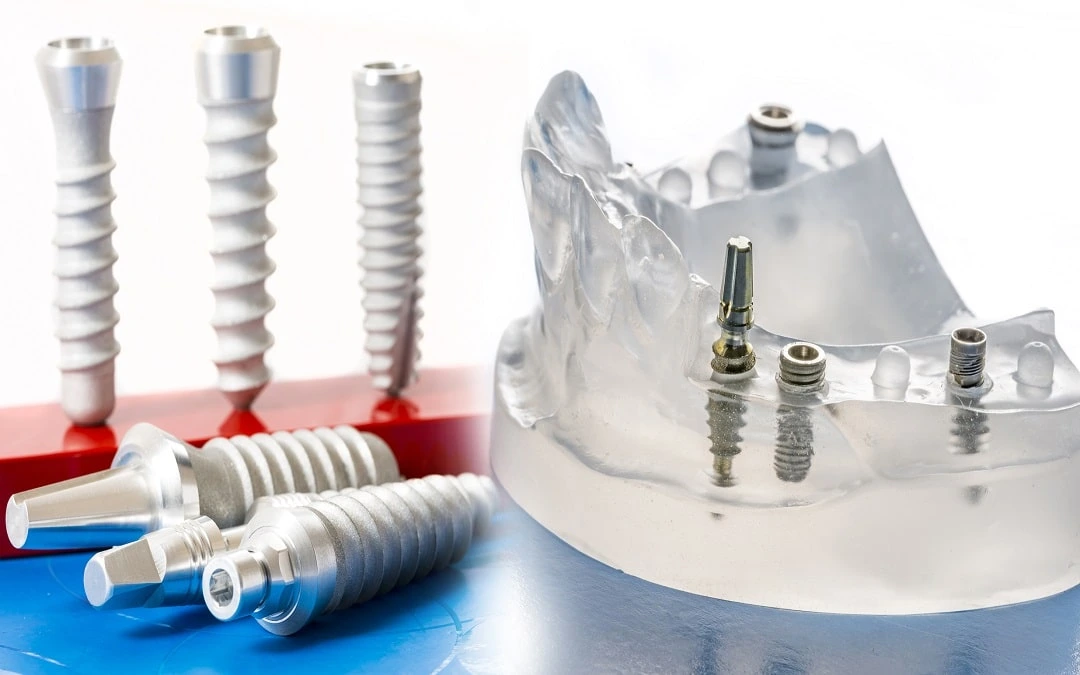
- A titanium post is placed into the jawbone
- It acts as an artificial root
- A crown is attached on top
When is it recommended?
- Tooth is beyond saving
- Missing tooth
- Failed root canal
Key benefit:
It provides a long-lasting and natural-looking replacement.
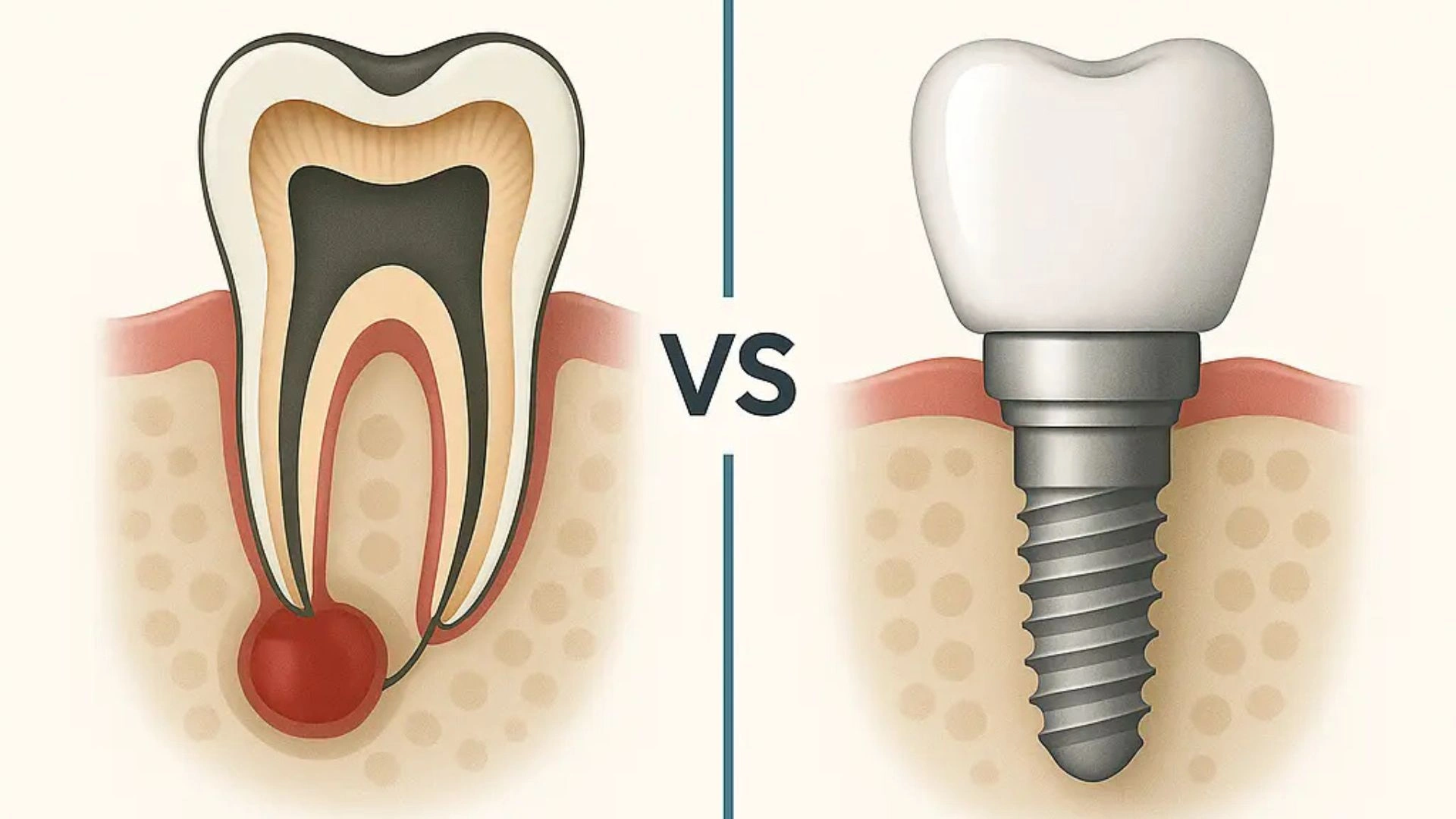
Root Canal vs Dental Implant: Key Differences
Let’s compare both treatments side by side:
| Factor | Root Canal | Dental Implant |
| Purpose | Save natural tooth | Replace missing tooth |
| Procedure Time | 1–2 visits | Multiple stages (3–6 months) |
| Pain Level | Mild discomfort | Moderate during surgery |
| Cost | Lower | Higher |
| Longevity | 10–15 years (with care) | 20+ years or lifetime |
| Healing Time | Quick | Longer |
Which Is Healthier: Root Canal or Implant?
When comparing which is healthier, root canal or implant, most dentists agree: Saving your natural tooth is always the healthiest option.
Why?
- Natural teeth maintain jawbone strength
- Better chewing efficiency
- No surgical risks
However, implants become the healthier choice when:
- The tooth is severely damaged
- Infection cannot be controlled
- Bone loss has already started
Expert Insight:
Dentists follow a “save first, replace later” approach. If your tooth can be saved, a root canal is usually preferred.
Which Is More Painful: Root Canal or Implant?
This is one of the most common concerns.
Root Canal Pain:
- Modern techniques make it almost painless
- Feels similar to a filling
- Mild soreness after treatment
Implant Pain:
- Surgical procedure
- Swelling and discomfort for a few days
- Requires healing time
So, when comparing which is more painful, root canal or implant, implants tend to involve more discomfort due to surgery.
Root Canal vs Dental Implant Cost in India
Cost is a major deciding factor.
Root Canal Cost:
- ₹3,000 to ₹10,000 per tooth
- Crown cost: ₹3,000 to ₹15,000
Dental Implant Cost:
- ₹25,000 to ₹60,000 per implant
- Crown included or extra
Clearly, in root canal vs dental implant cost, root canal is more affordable upfront.
However:
- Implants last longer
- Root canals may need retreatment
So, think long-term, not just initial cost.
Root Canal vs Implant: Pros and Cons
Root Canal Pros:
- Saves natural tooth
- Less expensive
- Quick recovery
- No surgery
Root Canal Cons:
- May weaken tooth over time
- Risk of reinfection
Dental Implant Pros:
- Permanent solution
- Prevents bone loss
- Looks and feels natural
- High success rate
Dental Implant Cons:
- Expensive
- Requires surgery
- Longer healing time
Real-Life Example
Let’s understand with a simple scenario:
Case 1:
Rahul had a severely infected tooth but strong roots. His dentist recommended a root canal. After treatment and a crown, his tooth functioned normally for years.
Case 2:
Priya had a broken tooth beyond repair. She chose a dental implant. It restored her smile and chewing ability permanently.
Lesson:
The decision in root canal vs dental implant depends on the condition of your tooth—not just preference.
When Should You Choose a Root Canal?
Choose a root canal if:
- Tooth structure is still strong
- Infection is treatable
- You want a cost-effective solution
When Should You Choose a Dental Implant?
Choose an implant if:
- Tooth cannot be saved
- You want a long-term solution
- You have good bone support
Why Choosing the Right Dental Clinic Matters
When deciding between root canal vs dental implant, most patients focus only on the treatment itself. But here’s the truth—the success of either procedure depends heavily on the dentist and clinic you choose.
Even a technically simple root canal can fail if:
- The infection is not fully cleaned
- Proper sealing is not done
- Advanced imaging is not used
Similarly, a dental implant can fail due to:
- Incorrect placement angle
- Poor bone assessment
- Lack of sterilization or planning
In short, the clinic you choose directly impacts your results, comfort, and long-term success.
A well-equipped and experienced clinic ensures:
- Accurate diagnosis using digital scans
- Pain-free procedures with modern techniques
- Lower risk of complications
- Faster healing and better outcomes
That’s why, when comparing root canal vs dental implant, choosing the right dental clinic is just as important as choosing the treatment.
To know more about Imperial Smiles Dental Membership Plans, call 98101724152.
Why Patients Trust Imperial Smiles Dental in Gurgaon
If you’re confused about root canal vs dental implant, getting expert guidance can make all the difference. Imperial Smiles Dental in Gurgaon is known for delivering reliable, patient-focused dental care with a strong track record of successful treatments.
-
Experienced Dentists with Advanced Training
At Imperial Smiles Dental, treatments are performed by highly qualified professionals who specialize in endodontics (root canal therapy) and implantology. Their clinical experience helps in making the right call—whether your tooth can be saved or needs replacement.
-
Modern Equipment and Pain-Free Techniques
The clinic uses advanced technology like digital X-rays, rotary endodontics, and precision implant systems. This means:
- More accurate diagnosis
- Minimally invasive procedures
- Reduced pain and chair time
For patients worried about which is more painful, root canal or implant, modern techniques here ensure both procedures are as comfortable as possible.
-
Personalized Treatment Plans
No two dental cases are the same. The team carefully evaluates your oral condition, lifestyle, and budget before suggesting a solution. Whether it’s a root canal or implant, the treatment is tailored specifically for you, not a one-size-fits-all approach.
-
High Success Rates in Both Treatments
With proper planning and execution, the clinic maintains high success rates in both root canal treatments and dental implants. This is crucial when making a decision about root canal vs dental implant, as long-term success should always be a priority.
-
Transparent Pricing and Patient-Focused Care
One of the biggest concerns patients have is cost. At Imperial Smiles Dental:
- You get clear, upfront pricing
- No hidden charges
- Complete explanation of procedures
This transparency helps patients confidently compare root canal vs dental implant cost and make informed decisions..
Expert Tips Before Making a Decision
- Always get an X-ray or CBCT scan
- Ask about long-term outcomes
- Consider your budget and lifestyle
- Don’t delay treatment—it worsens the condition
Conclusion
When comparing root canal vs dental implant, there is no one-size-fits-all answer. The right choice depends on your dental condition, budget, and long-term expectations.
- Choose a root canal if your tooth can be saved
- Choose a dental implant if replacement is necessary
The best approach is to consult an experienced dentist who can guide you based on your specific case.
If you’re in Gurgaon, Imperial Smiles Dental offers expert care and advanced solutions to help you make the right decision and restore your smile with confidence.
Don’t wait, early treatment can save your tooth, your money, and your peace of mind.
FAQs
1. Which lasts longer: root canal or implant?
Dental implants generally last longer, often 20+ years, while root canals last around 10–15 years with proper care.
2. Is a root canal safer than an implant?
Yes, because it avoids surgery and preserves your natural tooth.
3. Can a root canal fail?
Yes, but retreatment or an implant can fix the issue.
4. Are dental implants 100% successful?
They have a high success rate (95–98%), but not guaranteed.
5. Which looks more natural?
Both look natural, but implants may feel slightly more like a real tooth in the long run.
Also Read:
Veneers vs Crowns
Teeth Cap Price in Gurgaon
Teeth Cleaning Cost in Gurgaon
Disclaimer
Please note that the prices mentioned on this page:
(a) represent an estimated range and may vary depending on the severity of the dental condition, treatment complexity, technology used, and the type or quality of dental materials selected. (b) are accurate as of the date of publication and are subject to change without prior notice, as per standard clinic policies. (c) may differ from actual treatment costs due to variations in individual diagnosis and treatment requirements, and general information available through online or AI-based searches may not always reflect real-time pricing.
Author