

Dental implants have changed the way people replace missing teeth. They look natural, feel secure, and help restore confidence. One of the most common questions people ask before treatment is: How long do dental implants last?
The short answer is that dental implants can last 20 years or more, and in many cases, they last a lifetime with proper care. According to studies published by the National Institutes of Health, dental implants have a success rate of over 95% after 10 years. Many patients still have fully functional implants even after 25 years.
That sounds impressive, but the lifespan of an implant depends on several factors. Oral hygiene, bone health, lifestyle habits, and regular dental visits all play a role.
In this guide, you will learn:
- How long dental implants really last
- How long dental implants take to heal
- How long implant crowns last
- What affects implant durability
- Dental implant maintenance tips
- How much dental implants cost
- Common questions people ask before treatment
If you are considering implants or already have them, this article will help you understand how to protect your investment for the long term.
What Are Dental Implants?
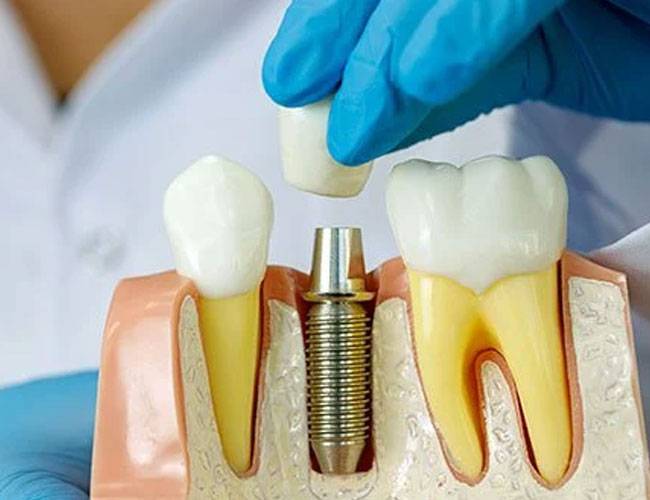
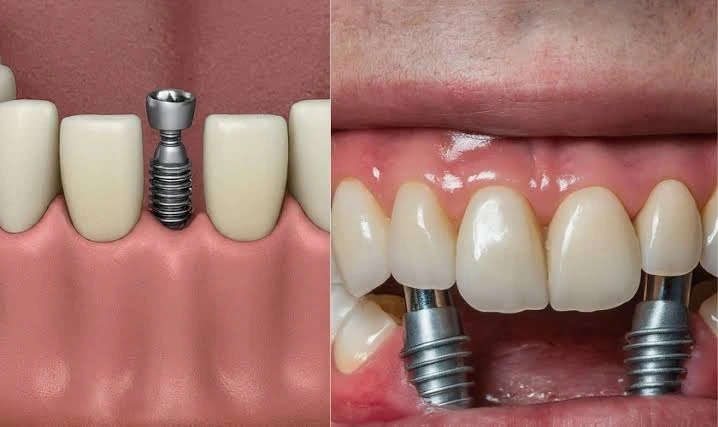
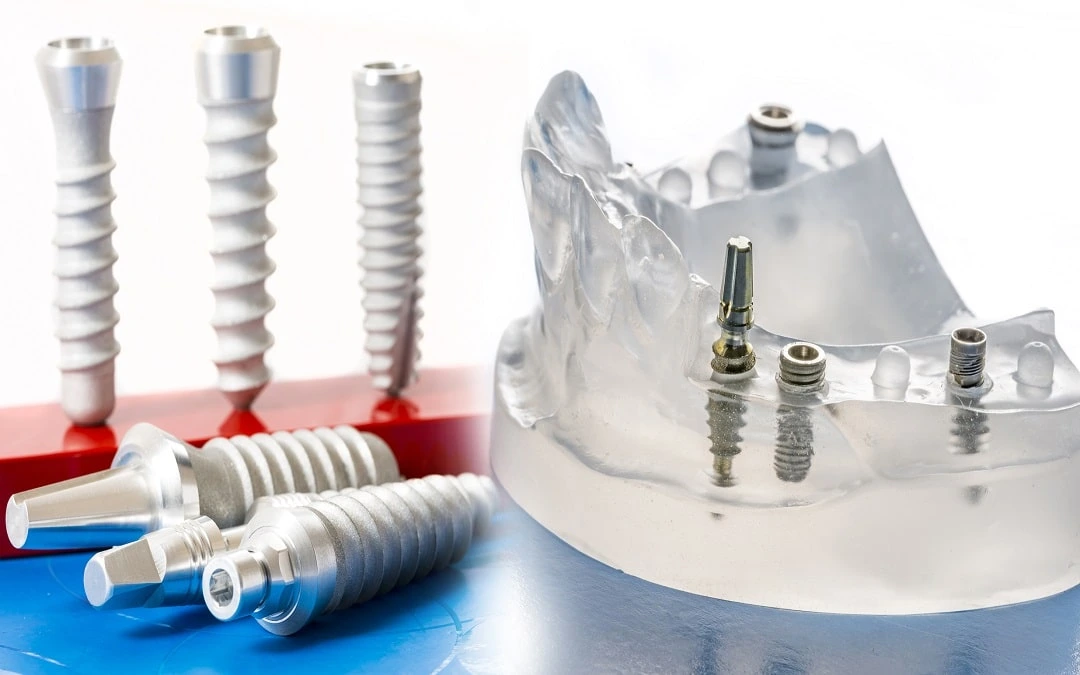
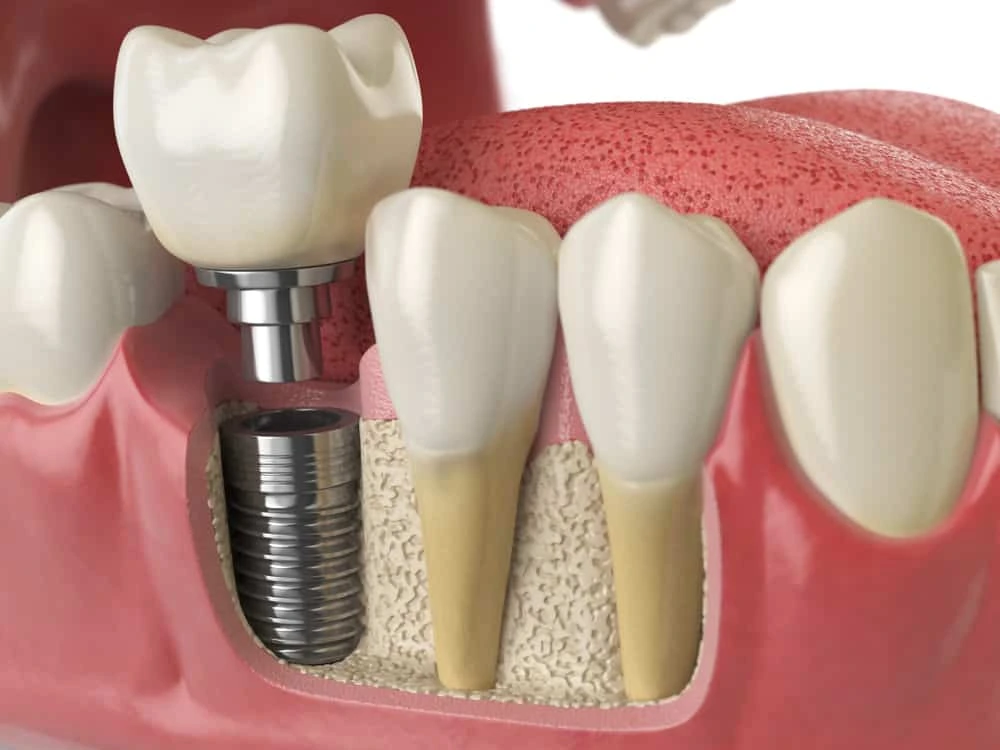
Dental implants are artificial tooth roots made from titanium or zirconia. They are surgically placed into the jawbone to support a replacement tooth, bridge, or denture.
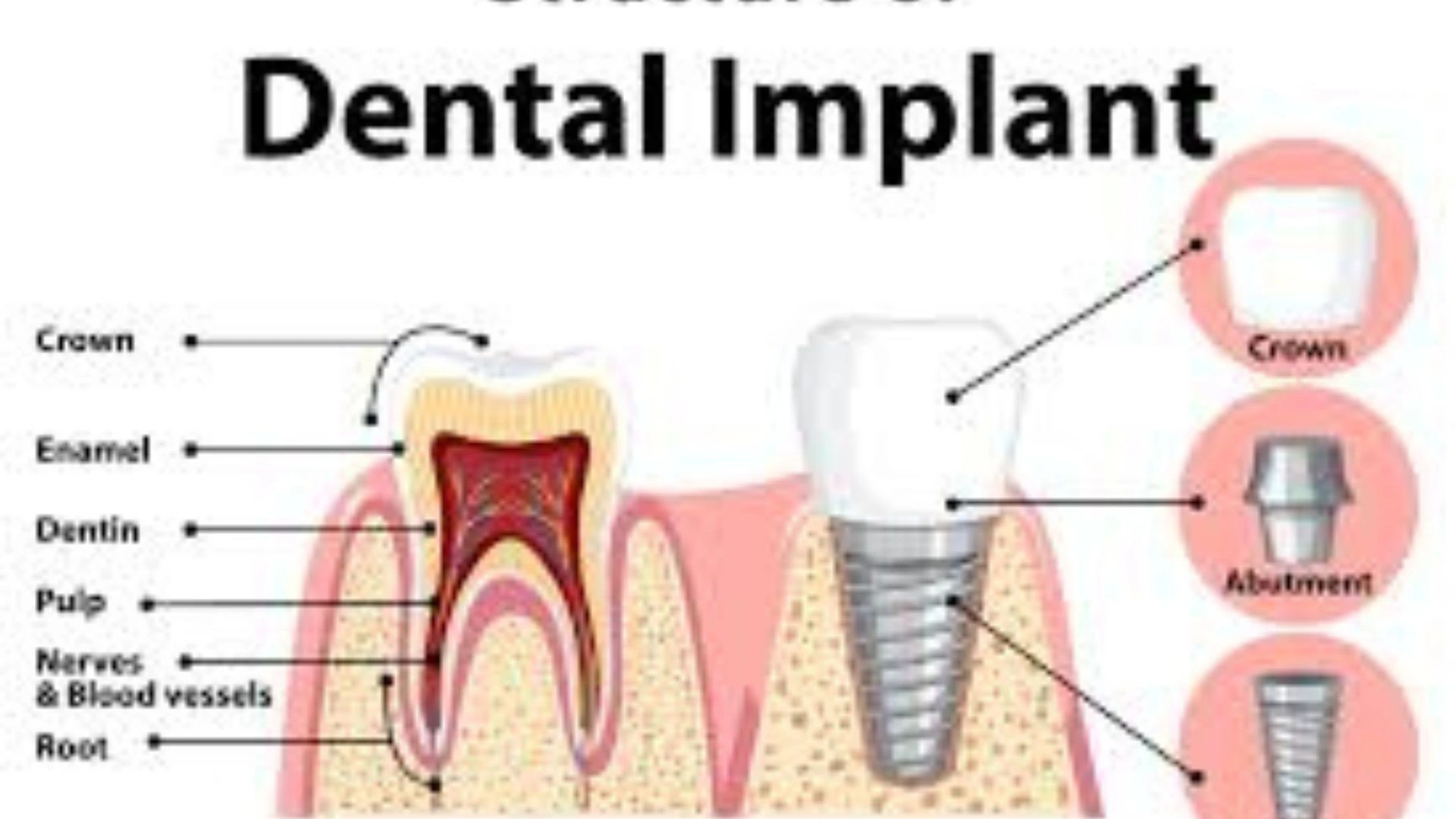
A complete dental implant has three parts:
- Implant post – placed inside the jawbone
- Abutment – connects the implant to the crown
- Dental crown – the visible tooth-like part
Unlike dentures, implants become part of the jawbone through a process called osseointegration. This makes them stable and long-lasting.
How Long Do Dental Implants Last?
The implant post itself can last 25 years or longer. In many cases, it lasts for life. However, the crown attached to the implant usually lasts around 10 to 15 years before it may need replacement due to wear and tear.
Average Lifespan of Dental Implant Components
| Implant Part | Average Lifespan |
| Titanium implant post | 20–30+ years |
| Abutment | 10–15 years |
| Dental crown | 10–15 years |
People often confuse implant failure with crown replacement. Replacing a worn crown does not mean the implant failed. The implant itself often remains strong and healthy.
Factors That Affect How Long Dental Implants Last
Not all implants last the same amount of time. Several factors influence their durability.
1. Oral Hygiene
Poor brushing and flossing can lead to gum disease around the implant. This condition is called peri-implantitis and is one of the main reasons implants fail.
Good oral hygiene helps implants stay healthy for decades.
2. Smoking
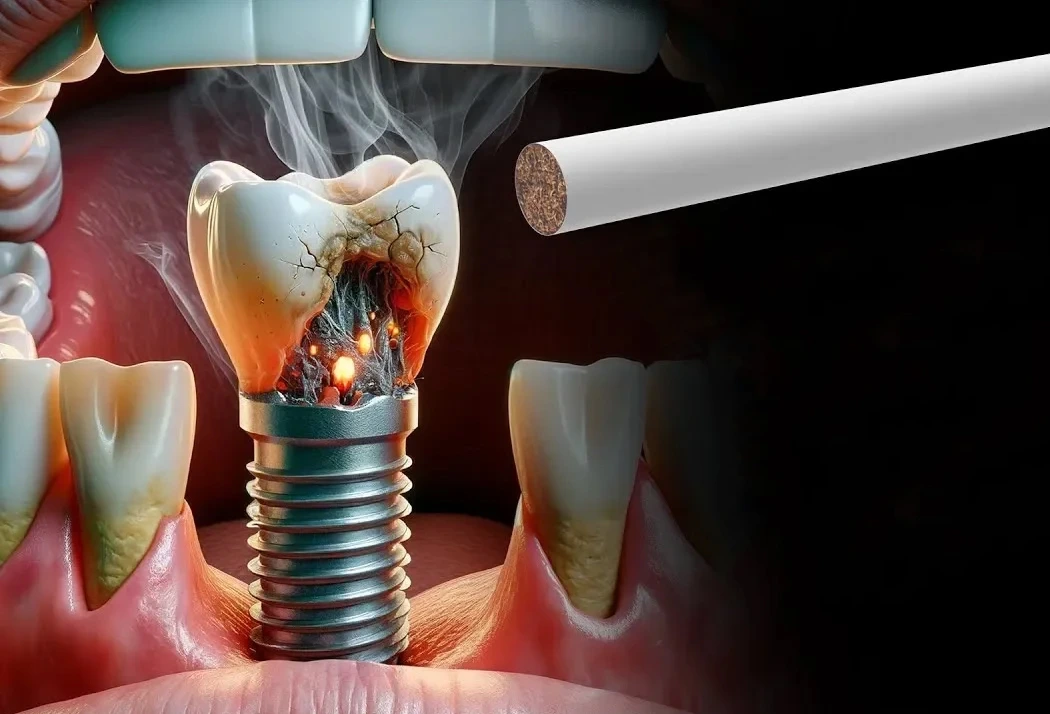
Smoking reduces blood flow and slows healing. Smokers have a significantly higher risk of implant complications.
Patients who quit smoking before implant surgery usually experience better results.
3. Bone Quality
Strong jawbone support is essential. People with bone loss may need bone grafting before implants are placed.
4. Teeth Grinding
Grinding or clenching teeth puts extra pressure on implants and crowns. Dentists often recommend night guards for protection.
5. Dentist Experience
An experienced implant dentist can properly place the implant at the correct angle and depth. This improves long-term success.
6. Overall Health
Conditions like uncontrolled diabetes or autoimmune disorders may affect healing and implant longevity.
How Long Do Dental Implants Take to Heal?
One important question patients ask is: How long do dental implants take to heal? Healing typically takes 3 to 6 months after implant placement. During this period, the implant fuses with the jawbone through osseointegration.
Typical Healing Timeline
First 24–48 Hours
- Mild swelling and discomfort
- Minor bleeding may occur
- Soft foods are recommended
First Week
- Gum tissue begins healing
- Pain reduces significantly
2–6 Weeks
- Most daily activities return to normal
- Bone healing continues internally
3–6 Months
- Full integration with jawbone
- Permanent crown placement possible
Healing time varies based on:
- Bone density
- Smoking habits
- Number of implants
- Overall health
Patients who follow post-surgery instructions usually heal faster and more comfortably.
How Long Does a Dental Implant Procedure Take?
Many people assume implants are completed in one day. In reality, the process usually happens over several months.
Step-by-Step Timeline
Consultation and Planning
This may take one or two appointments. X-rays and scans are used to assess bone health.
Implant Surgery
The actual surgery often takes:
- 1–2 hours for a single implant
- Longer for multiple implants
Healing Phase
This is the longest stage and usually lasts 3–6 months.
Crown Placement
Once healing is complete, the permanent crown is attached. So, if you are wondering how long a dental implant procedure takes, the complete process often takes 4 to 9 months from start to finish.
How Long Do Dental Implant Crowns Last?
Another common concern is: How long do dental implant crowns last? Implant crowns generally last:
- 10–15 years on average
- Sometimes 20 years with excellent care
Crowns may wear down over time because they handle daily chewing pressure.
What Shortens Crown Lifespan?
- Teeth grinding
- Poor oral hygiene
- Hard foods
- Accidents or trauma
- Smoking
Porcelain crowns are durable, but they are not indestructible. The good news is that replacing a crown is usually much easier than replacing the implant itself.
Dental Implant Maintenance Tips
If you want your implants to last decades, daily care matters. Here are the most effective dental implant maintenance tips.
Brush Twice Daily
Use a soft-bristle toothbrush and non-abrasive toothpaste.
Floss Every Day
Special implant floss or water flossers help clean around implants.
Visit Your Dentist Regularly
Professional cleanings help detect problems early.
Avoid Smoking
Smoking increases implant failure risk.
Protect Against Grinding
Night guards help prevent excessive pressure.
Eat Implant-Friendly Foods
Limit very hard foods like ice or hard candy.
Watch for Warning Signs
See a dentist if you notice:
- Bleeding gums
- Swelling
- Loose implant
- Pain while chewing
Consistent care is one of the biggest reasons some implants last a lifetime.
How Much Do Dental Implants Cost?
People often ask: How much do dental implants cost? The answer depends on location, materials, and treatment complexity.
Average Dental Implant Cost
| Treatment | Estimated Cost |
| Single dental implant | $3,000–$5,000 |
| Implant-supported bridge | $5,000–$15,000 |
| Full-mouth implants | $20,000–$50,000 |
Costs may include:
- Consultation
- X-rays and scans
- Implant surgery
- Abutment
- Crown
Additional procedures like bone grafting can increase the price. Although implants cost more upfront than dentures or bridges, they often last much longer. Many patients see them as a long-term investment.
Are Dental Implants Worth It?
For many people, yes. Dental implants offer several advantages:
- Natural appearance
- Strong chewing ability
- Better speech
- Jawbone preservation
- Long lifespan
- Improved confidence
Unlike dentures, implants do not shift or slip while eating. They also help prevent bone loss, which commonly happens after tooth loss.
Signs a Dental Implant May Be Failing
Even though implants have high success rates, problems can still happen.
Common Warning Signs
- Persistent pain
- Swelling around the implant
- Gum recession
- Loose implant
- Difficulty chewing
- Infection or pus
Early treatment improves the chance of saving the implant.
Can Dental Implants Last a Lifetime?
Yes, many can. Research shows that implant posts can remain successful for several decades when patients maintain good oral health.
People who usually experience the best long-term outcomes:
- Avoid smoking
- Maintain healthy gums
- Attend regular checkups
- Follow dental implant maintenance tips consistently
While crowns may eventually need replacement, the implant itself often remains stable.
Dental Implants vs Bridges vs Dentures
Here is how implants compare with other tooth replacement options.
| Option | Average Lifespan | Bone Preservation | Stability |
| Dental implants | 20+ years | Excellent | Excellent |
| Dental bridge | 7–15 years | Moderate | Good |
| Dentures | 5–10 years | Poor | Moderate |
Implants usually provide the best long-term value because they preserve jawbone structure.
Tips to Make Dental Implants Last Longer
If you want maximum lifespan, follow these habits:
- Brush carefully around implants
- Use floss or water flossers daily
- Avoid tobacco products
- Wear a mouthguard during sports
- Treat gum disease early
- Schedule regular cleanings
- Avoid chewing ice or hard objects
These simple habits can add many years to implant life.
Common Myths About Dental Implants
Myth 1: Implants Last Forever Without Care
False. Implants require maintenance just like natural teeth.
Myth 2: Implant Surgery Is Extremely Painful
Most patients report less discomfort than expected. Modern techniques make the procedure manageable.
Myth 3: Older Adults Cannot Get Implants
Age alone is not a barrier. Many seniors successfully receive implants.
Myth 4: Implants Frequently Fail
Dental implants have one of the highest success rates in modern dentistry.
FAQ
How long do dental implants last on average?
Most dental implants last 20 years or longer. Many last a lifetime with proper care and regular dental visits.
How long do dental implants take to heal?
Healing usually takes 3–6 months as the implant fuses with the jawbone.
How long do dental implant crowns last?
Dental implant crowns generally last 10–15 years before needing replacement due to wear.
How much do dental implants cost?
A single dental implant usually costs between $3,000 and $5,000 depending on the clinic and additional procedures required.
Final Thoughts
If you are asking how long dental implants last, the answer is encouraging. With proper care, the implant itself can last decades or even a lifetime. The crown may need replacement after 10–15 years, but overall, implants remain one of the most durable tooth replacement options available today.
The key to long-term success comes down to:
- Good oral hygiene
- Regular dental visits
- Healthy lifestyle habits
- Following dental implant maintenance tips
Dental implants are not just about replacing missing teeth. They improve confidence, support oral health, and help people enjoy everyday life without discomfort or insecurity.
For anyone considering implants, understanding the healing process, costs, and maintenance requirements can help you make a confident and informed decision.
Disclaimer
Please note that the prices mentioned on this page:
(a) represent an estimated range and may vary depending on the severity of the dental condition, treatment complexity, technology used, and the type or quality of dental materials selected. (b) are accurate as of the date of publication and are subject to change without prior notice, as per standard clinic policies. (c) may differ from actual treatment costs due to variations in individual diagnosis and treatment requirements, and general information available through online or AI-based searches may not always reflect real-time pricing.
For an accurate diagnosis and personalized treatment plan, we recommend booking a consultation with Imperial Smiles Dental.
To know more about Imperial Smiles Dental Membership Plans, call 98101724152.
Author