

Missing teeth can affect more than just your smile. They can make eating difficult, change the way you speak, and lower your confidence. According to the World Health Organization, severe tooth loss remains a major oral health issue worldwide, especially among older adults. Millions of people rely on dentures to restore their smile and improve their quality of life.
If you are exploring tooth replacement options, understanding dentures is important. From the different types available to dentures cost and maintenance tips, this guide explains everything in simple terms.
Whether you have lost a few teeth or an entire arch, modern dentures are now more comfortable, natural-looking, and durable than ever before.
What Are Dentures?
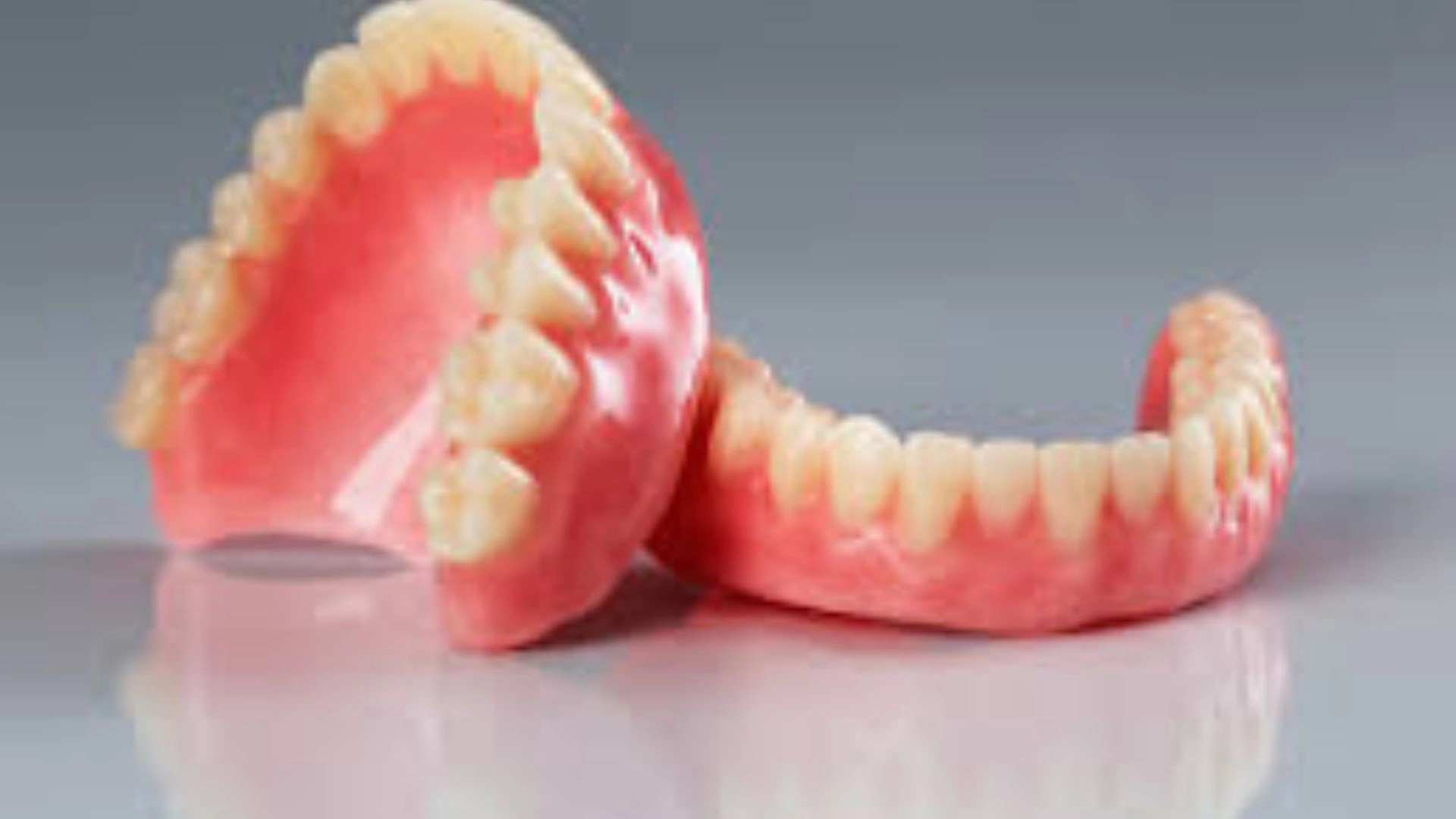
In simple words, dentures are removable dental appliances used to replace missing teeth and surrounding tissues.
The dentures meaning in medical terms refers to a prosthetic device designed to restore oral function and appearance after tooth loss. Dentures help patients chew food properly, improve speech, and maintain facial structure.
Modern dentures are custom-made to fit comfortably inside your mouth. They are created using acrylic, resin, metal frameworks, or advanced flexible materials depending on the patient’s needs.
Common Reasons People Need Dentures
People may need dentures due to:
- Severe tooth decay
- Gum disease
- Tooth loss from accidents
- Aging-related tooth loss
- Bone deterioration
- Genetic dental issues
Dentures are no longer just for elderly patients. Many younger adults also choose dentures after trauma or severe dental problems.
Types of Dentures and Cost
Understanding the different types of dentures helps patients choose the right option for comfort, appearance, and budget.
1. Complete Dentures
Complete dentures replace all teeth in the upper jaw, lower jaw, or both. These are commonly recommended for patients who have lost all natural teeth. They rest directly on the gums and are removable.
Features:
- Full arch replacement
- Custom-designed fit
- Affordable compared to implants
- Improves facial appearance
Average Dentures Cost:
The dentures cost for complete dentures in India typically ranges between ₹15,000 to ₹60,000 depending on material quality and clinic expertise.
2. Partial Dentures
Partial dentures are used when some natural teeth are still present. They fill the gaps between teeth and prevent neighboring teeth from shifting.
Features:
- Attached using clasps or precision attachments
- Less invasive
- Cost-effective solution
- Easy to remove and clean
Average Cost:
Partial dentures usually cost between ₹10,000 to ₹40,000.
3. Flexible Dentures
Flexible dentures are made from lightweight and bendable materials instead of rigid acrylic. These dentures feel more natural and comfortable for many patients.
Benefits:
- Comfortable fit
- Gum-colored base blends naturally
- Less irritation
- Lightweight design
Cost:
Flexible dentures generally range from ₹20,000 to ₹50,000.
4. Implant-Supported Dentures
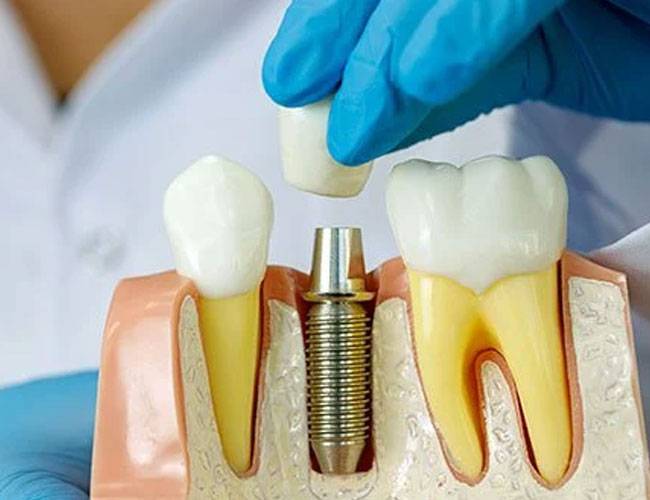
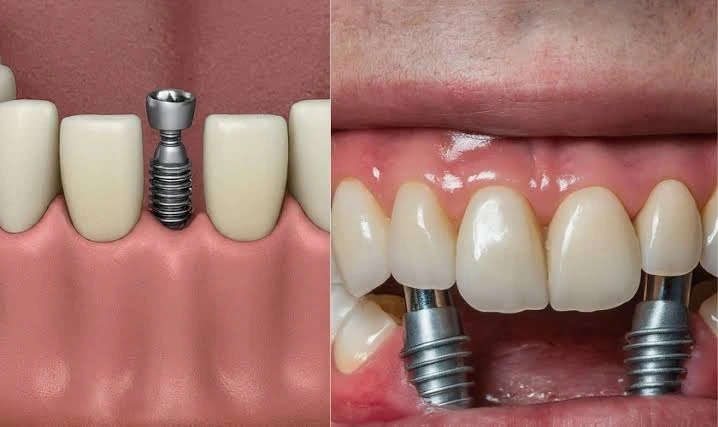
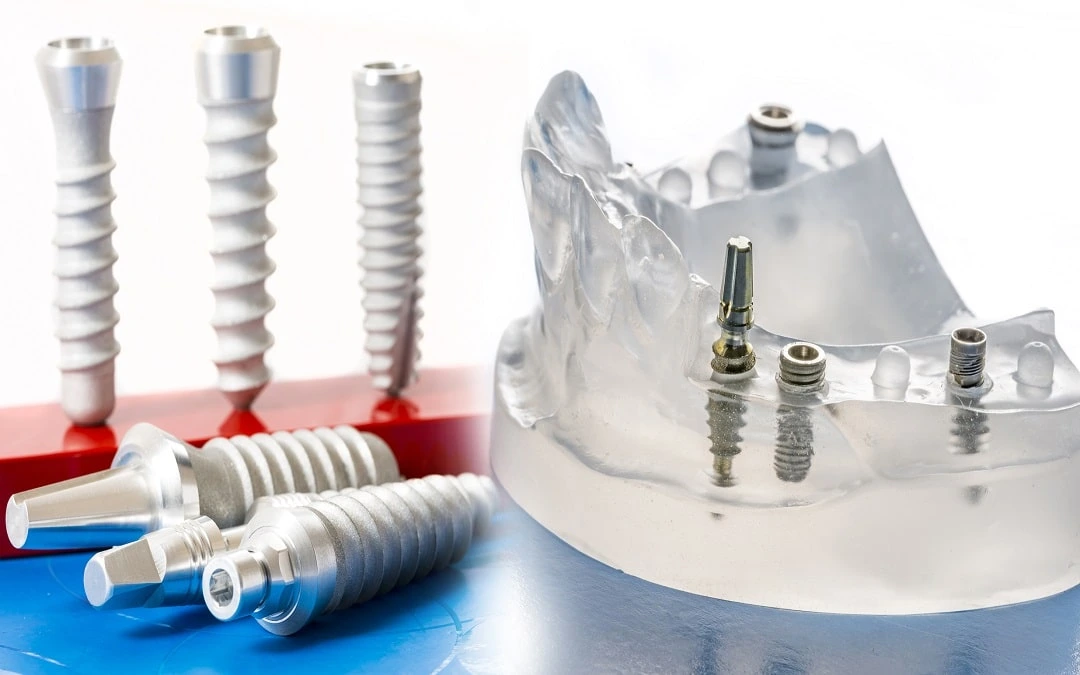
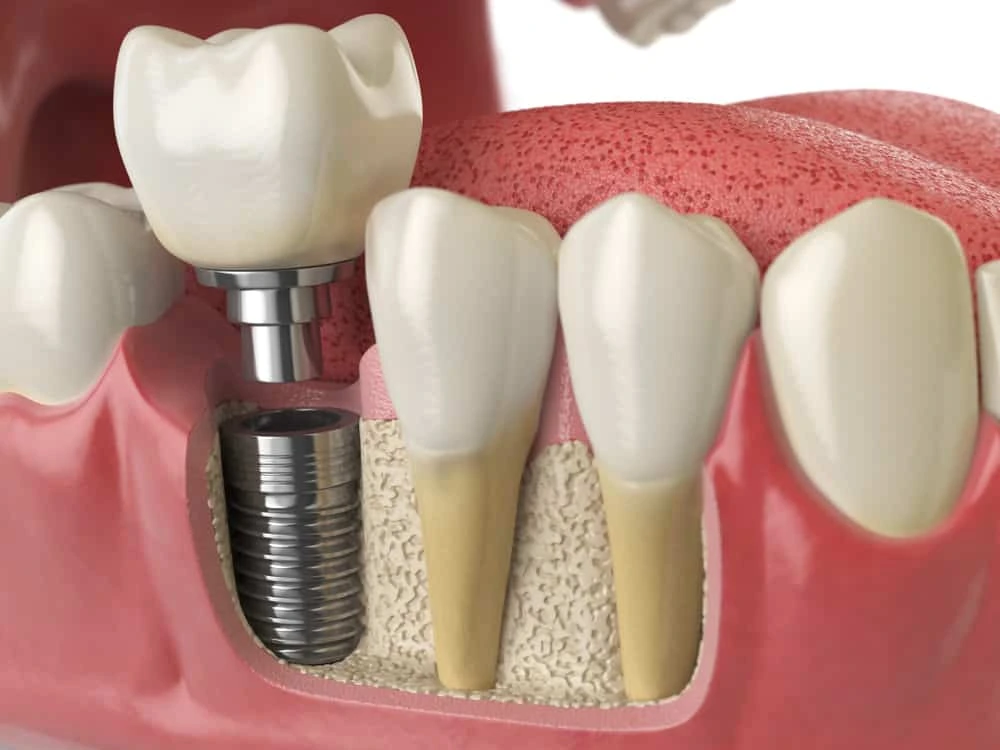
Implant-supported dentures are attached to dental implants placed inside the jawbone. These provide greater stability and prevent slipping while eating or speaking.
Advantages:
- Strong bite force
- Better stability
- Preserves jawbone
- Natural appearance
Cost:
Implant-supported dentures can range between ₹80,000 to ₹4,00,000 depending on the number of implants and materials used.
Conventional Dentures vs. Implant-Supported Dentures
One of the most common questions patients ask is whether traditional dentures or implant-supported dentures are better.
Here is a simple comparison.
| Feature | Conventional Dentures | Implant-Supported Dentures |
| Stability | May move slightly | Highly stable |
| Comfort | Good | Excellent |
| Bone Preservation | Limited | Prevents bone loss |
| Cost | Lower | Higher |
| Lifespan | 5–8 years | 10–20 years |
| Eating Ability | Moderate | Much better |
| Speech | May require adjustment | More natural |
Which Option Is Better?
The answer depends on your:
- Budget
- Bone condition
- Overall health
- Lifestyle expectations
Patients who want maximum comfort and long-term stability often prefer implant-supported dentures. However, conventional dentures remain a practical and affordable option for many people.
Signs You May Need Dentures
Many people delay treatment because they are unsure whether dentures are necessary.
Here are some common signs:
- Missing multiple teeth
- Difficulty chewing food
- Loose teeth
- Frequent gum infections
- Facial sagging
- Speech problems
- Low confidence while smiling
Ignoring tooth loss can lead to jawbone shrinkage and further oral complications.
Benefits of Dentures
Modern dentures offer several physical and emotional benefits.
1. Improved Appearance
Dentures restore facial support and help create a fuller smile. Patients often look younger after getting properly fitted dentures.
2. Better Eating Ability
Missing teeth make chewing difficult. Dentures help improve chewing efficiency and allow patients to enjoy a wider range of foods.
3. Clearer Speech
Tooth loss can affect pronunciation. Dentures support proper tongue and lip movement during speech.
4. Boosted Confidence
Many patients feel embarrassed due to missing teeth. Dentures help restore self-esteem and social confidence.
5. Affordable Tooth Replacement
Compared to full-mouth implants, dentures are often more budget-friendly.
What Is the Denture Procedure Like?
Getting dentures usually involves multiple dental visits.
Step 1: Oral Examination
The dentist checks:
- Gum health
- Remaining teeth
- Bone condition
- Bite alignment
X-rays or scans may also be taken.
Step 2: Impressions
Dental impressions are used to create customized dentures that fit properly.
Step 3: Trial Fitting
A temporary wax model helps test:
- Bite
- Appearance
- Comfort
Adjustments are made before the final denture is created.
Step 4: Final Placement
The completed dentures are inserted and adjusted for comfort. Your dentist will explain cleaning and maintenance instructions.
How Long Does It Take to Adjust to Dentures?
Most patients need a few weeks to adapt. Initially, you may experience:
- Mild soreness
- Increased saliva
- Difficulty speaking
- Slight chewing discomfort
These symptoms usually improve as your mouth adjusts.
Tips for Faster Adjustment
- Start with soft foods
- Practice speaking slowly
- Wear dentures regularly
- Follow dentist instructions
- Attend follow-up appointments
How to Care for Your Dentures
Proper denture care is essential for comfort, hygiene, and long-term durability.
Daily Denture Care Routine
1. Clean Dentures Every Day
Use a soft denture brush and non-abrasive cleaner. Avoid regular toothpaste because it may scratch the surface.
2. Remove Dentures at Night
Keeping dentures out overnight allows gums to rest and reduces infection risk.
3. Store Them Properly
Dentures should remain moist when not in use. Store them in clean water or denture solution.
4. Clean Your Gums and Tongue
Even without natural teeth, oral hygiene remains important. Brush your gums, tongue, and palate gently.
5. Handle Carefully
Dentures can break if dropped. Clean them over a folded towel or water-filled sink.
Foods to Avoid with Dentures
Although dentures improve chewing ability, certain foods can still create problems.
Limit:
- Sticky candies
- Hard nuts
- Ice cubes
- Extremely chewy foods
- Tough meat
Better Options:
- Soft fruits
- Cooked vegetables
- Rice
- Yogurt
- Fish
- Eggs
Over time, most patients learn which foods feel most comfortable.
Common Denture Problems and Solutions
1. Loose Dentures
Loose dentures may occur due to bone shrinkage over time.
Solution:
- Denture relining
- Denture adhesives
- Implant-supported upgrade
2. Sore Spots
Improper fit may cause irritation.
Solution:
Visit your dentist for adjustments instead of trying home fixes.
3. Difficulty Speaking
Speech changes are normal initially.
Solution:
Practice reading aloud daily.
4. Bad Odor
Poor cleaning habits can lead to bacterial buildup.
Solution:
Maintain regular cleaning and soaking routines.
How Long Do Dentures Last?
Most dentures last between 5 to 10 years. However, factors like:
- Bone changes
- Wear and tear
- Poor maintenance
- Accidental damage
can affect lifespan. Regular dental visits help identify when adjustments or replacements are needed.
Latest Trends in Modern Dentures
Denture technology has improved significantly in recent years.
Popular Advancements Include:
- 3D-printed dentures
- Digital smile design
- Flexible materials
- Implant-retained systems
- More natural aesthetics
These innovations provide better comfort and faster treatment times.
Are Dentures Better Than Dental Implants?
This depends on the patient’s goals and budget.
Dentures Are Better For:
- Budget-conscious patients
- Faster treatment
- Non-surgical solutions
Dental Implants Are Better For:
- Long-term stability
- Bone preservation
- Stronger chewing ability
Some patients choose a combination approach using implant-supported dentures for the best balance.
How Much Do Dentures Cost?
The dentures cost depends on:
- Material quality
- Type of denture
- Number of missing teeth
- Dentist expertise
- Clinic location
Estimated Dentures Cost in India
| Type | Approximate Cost |
| Complete Dentures | ₹15,000 – ₹60,000 |
| Partial Dentures | ₹10,000 – ₹40,000 |
| Flexible Dentures | ₹20,000 – ₹50,000 |
| Implant-Supported Dentures | ₹80,000 – ₹4,00,000 |
Always choose quality and professional expertise over low pricing alone.
Why Choose Imperial Smiles Dental for Dentures?
When choosing dentures, experience and customization matter greatly.Imperial Smiles Dental is known for advanced dental care, personalized treatment planning, and modern restorative solutions.
Patients choose the clinic because of:
- Experienced dental implant surgeons
- Advanced digital technology
- Customized denture solutions
- Focus on comfort and aesthetics
- High hygiene and safety standards
- Comprehensive aftercare support
Whether you need complete dentures, partial dentures, or implant-supported dentures, expert guidance can make a major difference in long-term comfort and results.
Conclusion
Dentures remain one of the most effective and affordable solutions for replacing missing teeth. They improve appearance, restore chewing ability, and help patients regain confidence in everyday life.
Understanding the different types of dentures and cost helps you make an informed decision based on your needs and budget. Whether you choose conventional dentures or implant-supported dentures, proper care and professional guidance are essential for long-term success.
If you are considering dentures, consult an experienced dental professional who can recommend the best treatment plan for your smile, comfort, and oral health goals.
Conclusion
Dentures remain one of the most effective and affordable solutions for replacing missing teeth. They improve appearance, restore chewing ability, and help patients regain confidence in everyday life.
Understanding the different types of dentures and cost helps you make an informed decision based on your needs and budget. Whether you choose conventional dentures or implant-supported dentures, proper care and professional guidance are essential for long-term success.
If you are considering dentures, consult an experienced dental professional who can recommend the best treatment plan for your smile, comfort, and oral health goals.
FAQs
What are dentures made of?
Dentures are commonly made from acrylic resin, metal frameworks, nylon, or flexible polymer materials.
Can I sleep with dentures?
Dentists usually recommend removing dentures at night to allow gums to rest and reduce infection risk.
How long does it take to get used to dentures?
Most people adapt within a few weeks. Regular use and practice help speed up adjustment.
Are dentures painful?
Modern dentures should not cause severe pain. Mild discomfort during the adjustment period is normal.
Can dentures look natural?
Yes. Today’s dentures are designed to closely resemble natural teeth and gums.
Disclaimer
Please note that the prices mentioned on this page:
(a) represent an estimated range and may vary depending on the severity of the dental condition, treatment complexity, technology used, and the type or quality of dental materials selected. (b) are accurate as of the date of publication and are subject to change without prior notice, as per standard clinic policies. (c) may differ from actual treatment costs due to variations in individual diagnosis and treatment requirements, and general information available through online or AI-based searches may not always reflect real-time pricing.
For an accurate diagnosis and personalized treatment plan, we recommend booking a consultation with Imperial Smiles Dental.
To know more about Imperial Smiles Dental Membership Plans, call 98101724152.
Author