

How painful is root canal treatment? If you’ve ever searched this, you’re not alone. According to the American Association of Endodontists, over 15 million root canals are performed each year, and most patients report that the procedure is no more painful than getting a regular filling. Yet, fear still surrounds this treatment.
Many people delay dental care because they assume unbearable pain. The truth is very different. Modern dentistry has transformed root canal treatment into a comfortable and pain-relieving procedure, not a painful one.
In this detailed guide, you’ll learn:
- The real answer to how painful is root canal treatment
- What actually happens during the procedure
- Pain management techniques used today
- Common misconceptions vs reality
- Whether a root canal is necessary in your case
Let’s break it down in a simple, honest way.
What Is Root Canal Treatment?
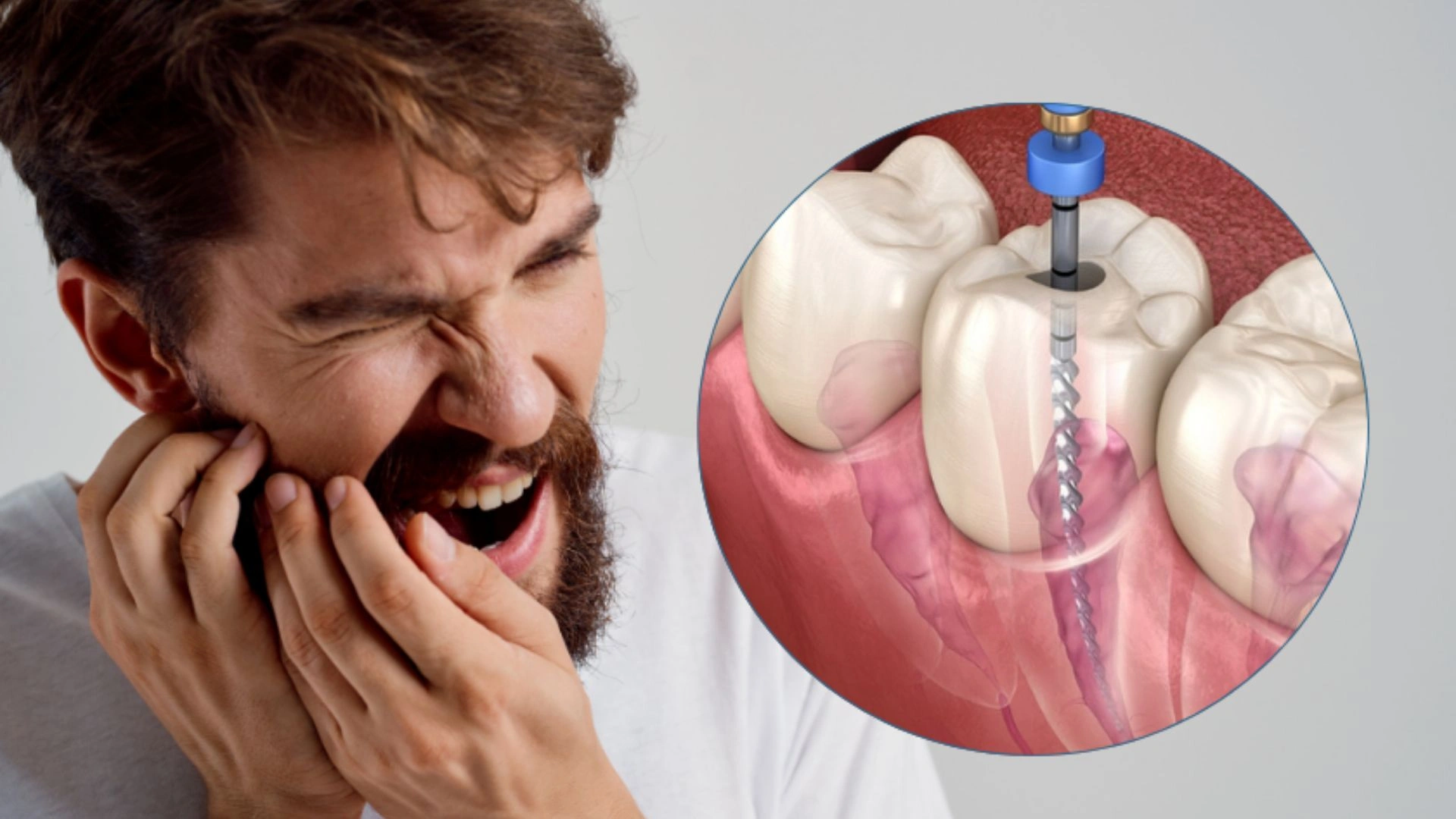
Root canal treatment is a dental procedure used to save a severely infected or damaged tooth. Instead of removing the tooth, the dentist removes the infected pulp, cleans the area, and seals it.
Why patients need it:
- Deep tooth decay
- Severe tooth pain
- Infection or abscess
- Cracked or damaged tooth
Real-world example:
A patient with intense toothache while eating hot or cold foods often assumes extraction is the only option. But a root canal can save the natural tooth and stop the pain permanently.
How Painful Is Root Canal Treatment Really?
The honest answer:
Root canal treatment itself is usually NOT painful. Here’s what most patients actually experience:
- Mild discomfort during anesthesia injection
- Little to no pain during the procedure
- Relief from the severe pain caused by infection
Why the myth exists:
People often confuse:
- Pain BEFORE treatment (due to infection)
- With pain DURING treatment (which is controlled)
Simple comparison:
- Tooth infection pain: High
- Root canal procedure: Minimal
- Post-treatment soreness: Mild and temporary
Pain Management During Root Canal Treatment
Modern dental clinics use advanced techniques to ensure maximum comfort.
1. Local Anesthesia
Dentists numb the area completely before starting. You may feel pressure, but not pain.
2. Advanced Technology
- Rotary tools reduce treatment time
- Digital imaging improves accuracy
- Laser-assisted procedures (in some clinics)
3. Sedation Options (for anxious patients)
- Nitrous oxide (laughing gas)
- Oral sedatives
4. Gentle Techniques
Experienced dentists work carefully to minimize discomfort.
Real patient scenario:
A nervous patient expecting severe pain often says afterward:
“That was much easier than I imagined.”
What Does It Feel Like During the Procedure?
Let’s describe it clearly so you know exactly what to expect:
- You’ll feel numbness in the treated area
- You may feel slight pressure or movement
- No sharp pain if anesthesia works properly
Step-by-step feeling:
- Numbing injection → slight pinch
- Cleaning the tooth → pressure, not pain
- Filling and sealing → comfortable
After the Procedure: Is There Pain?
Yes, but it’s usually mild and temporary.
Common post-treatment symptoms:
- Slight soreness for 2–3 days
- Sensitivity while chewing
- Mild swelling (rare)
How to manage it:
- Over-the-counter painkillers
- Avoid hard foods temporarily
- Follow dentist instructions
Important:
If pain is severe or lasts longer than a few days, consult your dentist.
Common Misconceptions About Root Canal Treatment
Myth 1: Root canals are extremely painful
Truth: Modern procedures are mostly painless.
Myth 2: Tooth extraction is better
Truth: Saving your natural tooth is usually the best option.
Myth 3: Pain lasts for weeks
Truth: Most discomfort fades within a few days.
Myth 4: It’s unsafe
Truth: Root canals are a safe and routine dental procedure.
Is Root Canal Necessary?
This is one of the most important questions.
When a root canal is necessary:
- Persistent tooth pain
- Sensitivity to hot or cold
- Swollen gums
- Pus or abscess
What happens if you avoid it:
- Infection spreads
- Severe pain increases
- Tooth loss becomes likely
Real-life example:
Ignoring a minor toothache can lead to serious infection requiring surgery or extraction later.
Benefits of Root Canal Treatment
- Saves your natural tooth
- Stops infection
- Relieves severe pain
- Restores normal chewing
- Prevents further complications
Long-term success:
With proper care, a treated tooth can last a lifetime.
Tips to Reduce Anxiety Before Treatment
If you’re still worried about how painful is root canal treatment, these tips can help:
- Talk openly with your dentist
- Ask about anesthesia options
- Practice deep breathing
- Schedule morning appointments
- Avoid reading negative experiences online
Expert Insight
Dental professionals worldwide, including organizations like the American Dental Association, emphasize that:
- Root canals are safe and effective
- Pain is well-controlled with modern techniques
- Early treatment leads to better outcomes
Experienced dentists also confirm that fear is often worse than reality.
Quick Summary
How painful is root canal treatment?
Root canal treatment is usually not painful because dentists use local anesthesia to numb the area. Most patients feel little to no pain during the procedure and experience only mild soreness afterward.
Final Verdict: Should You Be Scared?
The short answer: No, If you’re wondering how painful is root canal treatment, the reality is simple:
- The procedure is designed to relieve pain, not cause it
- Modern dentistry makes it safe and comfortable
- Avoiding treatment causes more pain than the procedure itself
Actionable takeaway:
If you’re experiencing tooth pain, don’t delay. Early treatment can save your tooth and prevent serious complications.
Closing Thought
Fear often comes from outdated stories. Today, root canal treatment is a routine, pain-managed procedure that helps millions of patients every year live pain-free. If you’ve been putting it off, this might be the reassurance you needed.
FAQ’s
1. How painful is root canal treatment compared to tooth extraction?
Root canal treatment is usually less painful than extraction and helps preserve your natural tooth.
2. How long does the pain last after a root canal?
Mild discomfort may last 2–3 days, but severe pain is uncommon.
3. Can I go to work after a root canal?
Yes. Most patients return to normal activities the same day.
4. What if I feel pain during the procedure?
Inform your dentist immediately. They can adjust anesthesia to ensure comfort.
Also Read:
Root Canal Procedure Step by Step
For an accurate diagnosis and personalized treatment plan, we recommend booking a consultation with Imperial Smiles Dental.
To know more about Imperial Smiles Dental Membership Plans, call 98101724152.
Author