

Dental pain can be confusing. Sometimes it comes and goes. Sometimes it hits hard and won’t let you sleep. Many people ignore it until it becomes unbearable. But your tooth often gives early warnings. Knowing the signs you need root canal can save your tooth and prevent serious complications.
This guide will help you understand the symptoms, causes, and when to act. If you’re wondering whether your tooth needs a simple filling or something more serious, you’re in the right place.
What Is a Root Canal and Why Is It Needed?
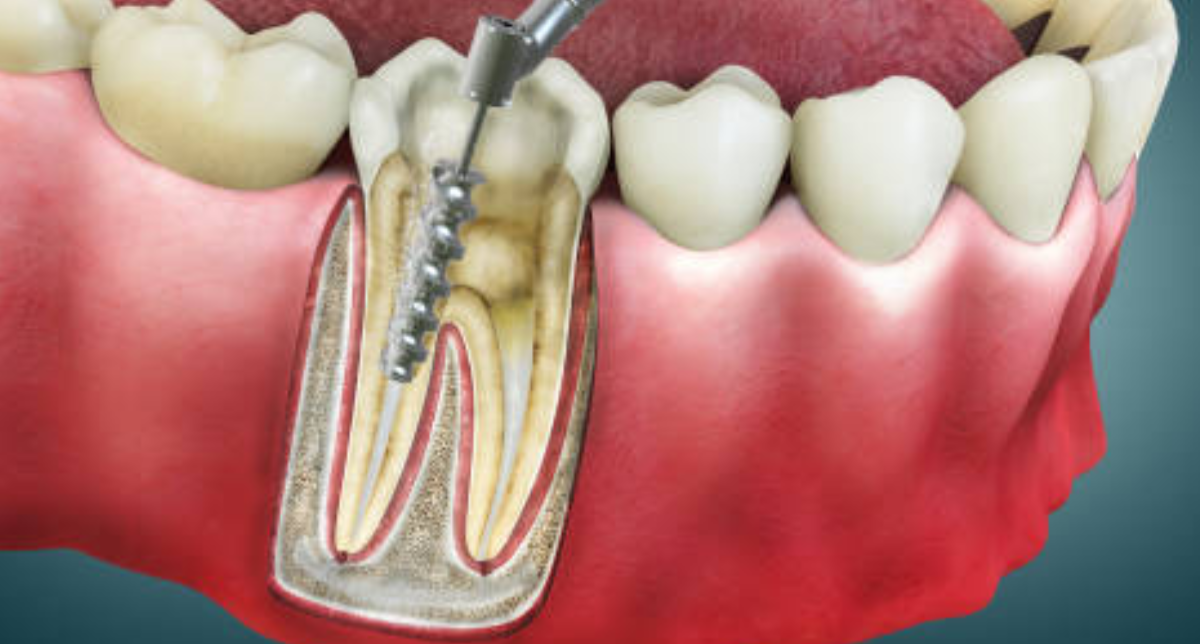
A root canal is a dental procedure used to treat infection inside a tooth. Inside every tooth is a soft tissue called pulp. This pulp contains nerves and blood vessels. When it gets infected, it can cause severe pain and damage.
If left untreated, the infection can spread to surrounding tissues. In the worst cases, it can even affect your overall health.
According to the American Association of Endodontists, 15 millions of root canal treatments are performed each year and most of them successfully save natural teeth.
Common Signs You Need Root Canal
Here are the most important signs you need root canal treatment. If you notice one or more of these, you should consult a dentist immediately.
1. Persistent Tooth Pain
Pain that doesn’t go away is the biggest warning sign. It may feel like:
- Deep, throbbing pain
- Pain when chewing or biting
- Pain that spreads to your jaw or ear
This is one of the most common root canal symptoms and usually indicates nerve damage.
2. Sensitivity to Hot and Cold
Do you feel sharp pain when drinking hot tea or cold water?
If the sensitivity:
- Lasts longer than a few seconds
- Feels intense or worsening
It may mean the pulp inside your tooth is infected.
3. Swollen or Tender Gums
Swelling around a specific tooth can signal infection. You might notice:
- Puffy gums
- Tenderness when touching
- Small pimple-like bumps (abscess)
These are clear signs you need root canal treatment urgently.
4. Tooth Discoloration
A tooth turning dark or grey is not normal. It often happens when the inner tissue is dying. This is different from surface stains. It usually means internal damage, which may require a root canal.
5. Pain When Chewing
If biting down causes pain, your tooth may have:
- Nerve damage
- Infection reaching the roots
This symptom should never be ignored.
6. Cracked or Chipped Tooth
A cracked tooth allows bacteria to enter the pulp. Even a small crack can lead to infection. If you have a history of trauma or biting hard food, this could be a hidden cause.
7. Loose Tooth
An infected tooth may feel loose due to:
- Bone loss around the root
- Pus formation
This is a serious stage of infection.
What Causes a Root Canal?
Understanding what causes a root canal helps you prevent it in the future.
Main Causes:
- Deep tooth decay
- Repeated dental procedures on the same tooth
- Cracks or chips
- Injury or trauma
- Untreated cavities
According to the World Health Organization, untreated dental caries (cavities) affect billions of people worldwide and are a leading cause of tooth infections.
How Do I Know If I Need a Root Canal or a Filling?
This is one of the most common questions patients ask.
You May Need a Filling If:
- Pain is mild and temporary
- Sensitivity goes away quickly
- No swelling or infection
You May Need a Root Canal If:
- Pain is severe or constant
- Sensitivity lingers for minutes
- There is swelling or pus
- Tooth is discolored
A dentist may take an X-ray to confirm the condition.
What Happens During a Root Canal Procedure?
Many people fear root canals, but modern dentistry has made the process comfortable.
Steps Involved:
- The dentist numbs the area
- Removes infected pulp
- Cleans and disinfects the canal
- Fills and seals the tooth
- Places a crown for protection
The procedure usually takes 1–2 visits.
What are the benefits of Getting a Root Canal?
- Saves your natural tooth
- Relieves pain quickly
- Prevents infection spread
- Restores normal chewing
Avoiding treatment can lead to tooth extraction, which is more complex and costly.
What are the risks of ignoring the signs?
Ignoring signs you need root canal can lead to:
- Severe infection
- Abscess formation
- Bone loss
- Spread of bacteria to other areas
In rare cases, untreated infections can affect overall health.
Prevention Tips
You can reduce the risk of needing a root canal by following simple habits:
- Brush twice daily
- Floss regularly
- Avoid excessive sugar
- Visit your dentist every 6 months
- Treat cavities early
Prevention is always easier and cheaper than treatment.
Final Thoughts
Recognizing the signs you need root canal early can save your tooth and prevent unnecessary pain. Many people wait too long, thinking the pain will go away. But dental infections only get worse with time.
If you notice symptoms like persistent pain, sensitivity, or swelling, don’t ignore them. Visit a dentist as soon as possible.
Taking quick action not only protects your oral health but also saves time, money, and discomfort in the long run.
FAQs
1. What are the early signs you need a root canal?
Early signs include mild sensitivity, slight pain when chewing, and occasional discomfort. These may seem small but can worsen over time.
2. Can a root canal heal on its own?
No. Once the pulp is infected, it cannot heal naturally. Treatment is necessary to remove the infection.
3. Is root canal treatment painful?
Modern root canal procedures are almost painless. Dentists use anesthesia to ensure comfort.
4. How long does a root canal take?
It usually takes 1–2 sessions depending on the severity of infection.
5. What happens if I delay treatment?
Delaying treatment can lead to severe pain, tooth loss, and infection spread.
Author