

When you’re dealing with severe tooth pain or infection, the biggest question your dentist may ask is: should you save the tooth or remove it? This is where the debate of root canal vs tooth extraction becomes crucial.
According to the Indian Dental Association (IDA), over 85% to 90% of adults experience dental decay, and many delay treatment until the damage becomes severe. Studies also show that preserving natural teeth leads to better long-term oral health outcomes compared to extraction when possible.
In this guide, we’ll break down root canal vs tooth extraction in simple terms so you can make the right decision for your smile, comfort, and budget.
What Is a Root Canal Treatment?
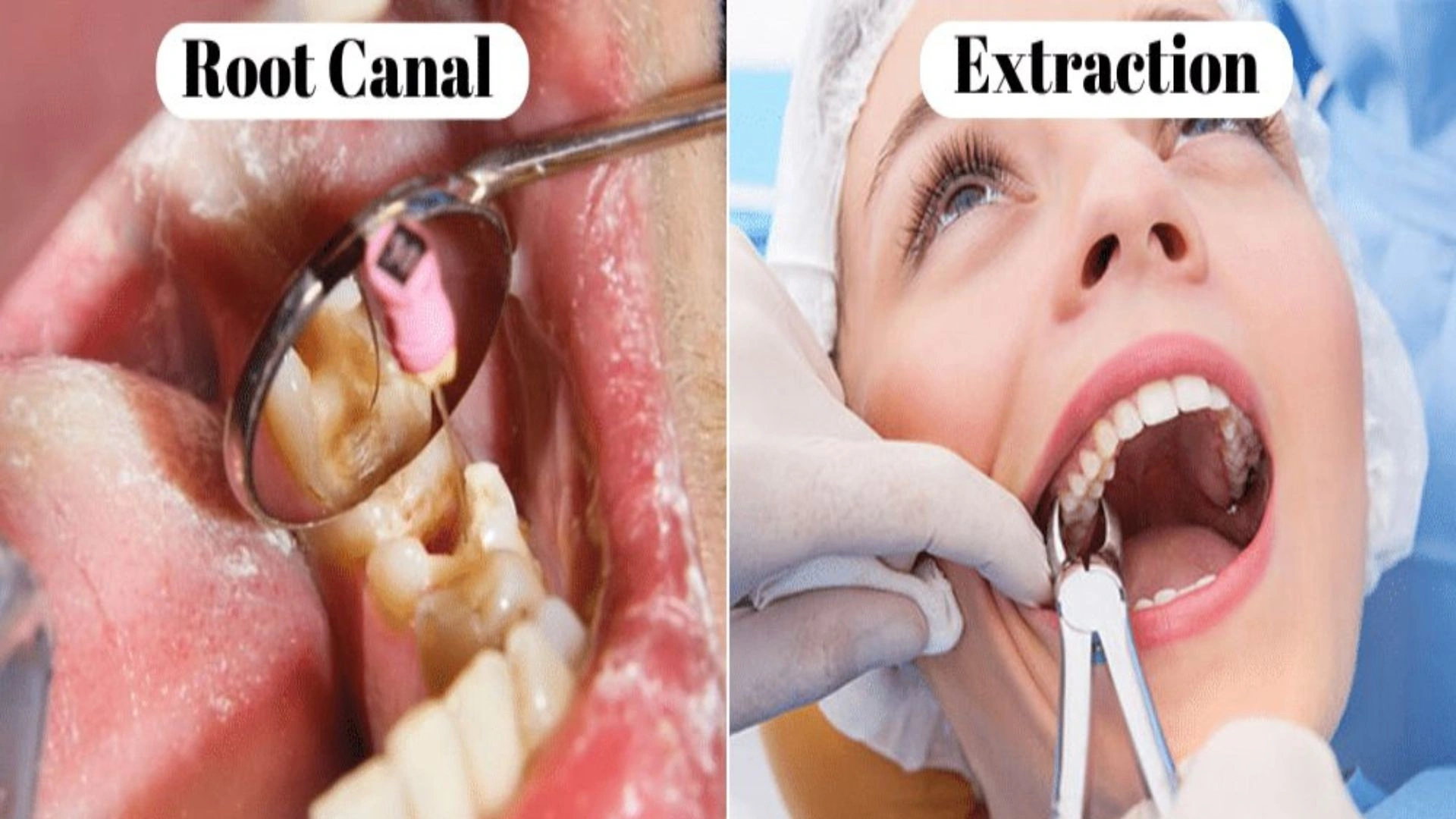
A root canal is a dental procedure that saves an infected or damaged tooth. The dentist removes the infected pulp, cleans the inside, and seals it to prevent further infection.
When Is a Root Canal Needed?
- Deep cavities
- Tooth infection or abscess
- Severe sensitivity to hot or cold
- Cracked or injured tooth
Key Benefits of Root Canal
- Preserves your natural tooth
- Maintains proper chewing function
- Prevents shifting of nearby teeth
- Offers long-term durability with a crown
What Is Tooth Extraction?
Tooth extraction involves removing the entire tooth from its socket. It is usually recommended when the tooth is too damaged to save.
When Is Extraction Necessary?
- Severe decay beyond repair
- Advanced gum disease
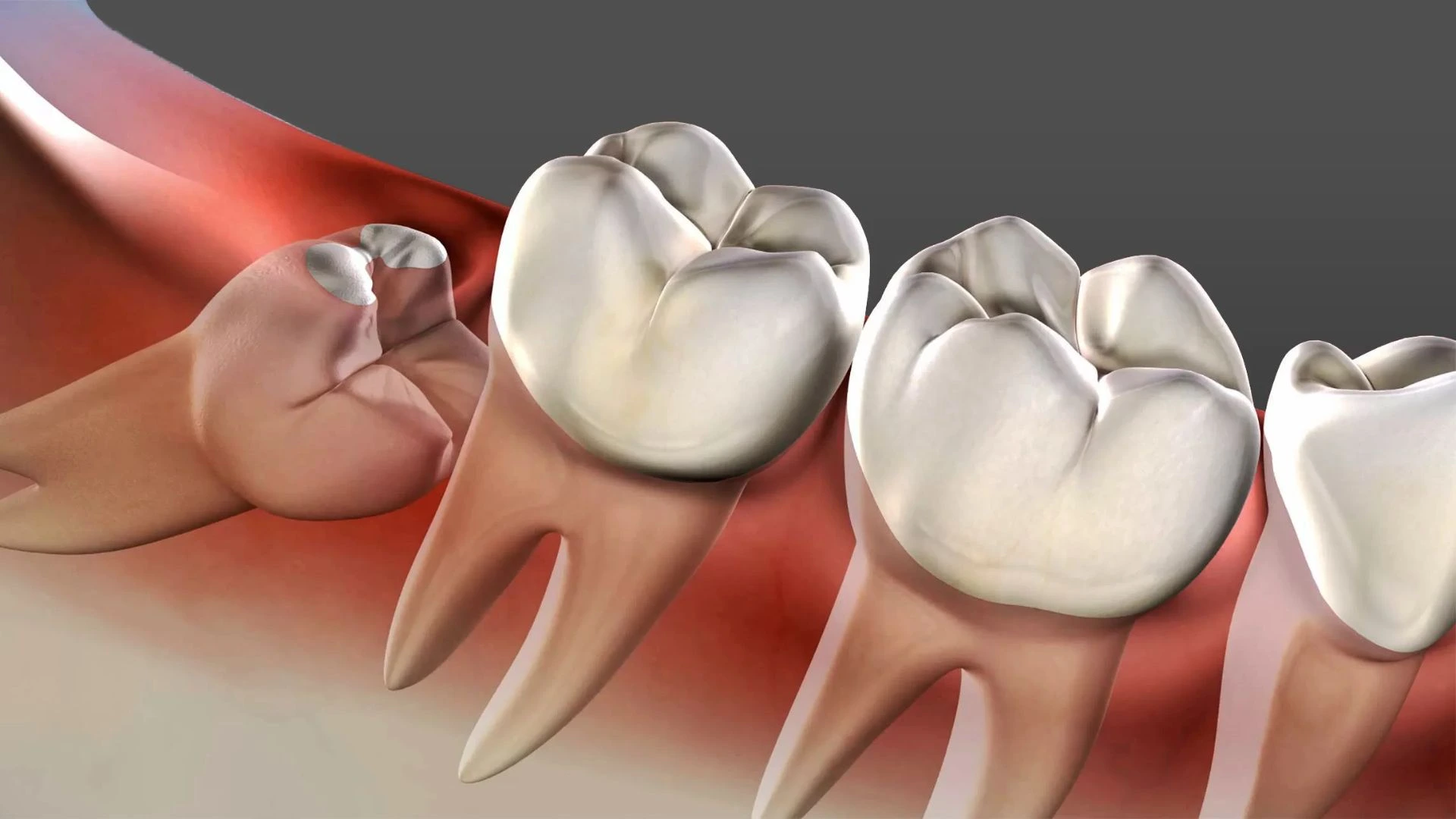
- Impacted teeth (like wisdom teeth)
- Fractured teeth below the gum line
Key Benefits of Tooth Extraction
- Eliminates infection quickly
- Often cheaper upfront
- Simple procedure in many cases
Root Canal vs Tooth Extraction: Key Differences
Here’s a clear comparison to help you understand:
1. Tooth Preservation
- Root Canal: Saves the natural tooth
- Extraction: Removes the tooth completely
If saving your tooth is possible, most dentists recommend a root canal.
2. Pain and Comfort
- Root Canal: Modern techniques make it almost painless
- Extraction: May involve more discomfort during healing
Contrary to popular belief, root canals are no longer painful procedures.
3. Healing Time
- Root Canal: Quick recovery (1–2 days)
- Extraction: Longer healing (1–2 weeks or more)
4. Long-Term Impact
- Root Canal: Maintains jawbone and alignment
- Extraction: Can cause bone loss and shifting of teeth
Book your consultation on time and keep your smile healthy for years.
Root Canal vs Extraction Pros and Cons
Root Canal Pros
- Saves natural tooth
- Better aesthetics
- Maintains bite alignment
- Long-term solution
Root Canal Cons
- Slightly higher initial cost
- Requires crown placement
Extraction Pros
- Lower upfront cost
- Quick solution for severe damage
Extraction Cons
- Tooth loss affects appearance
- May require implants or bridges later
- Bone loss over time
Root Canal vs Tooth Extraction Cost in India
Cost is often a deciding factor for patients.
Root Canal Cost
- ₹3,000 to ₹8,000 per tooth
- Crown cost: ₹3,000 to ₹15,000
Extraction Cost
- ₹500 to ₹3,000
- Surgical extraction: ₹3,000 to ₹10,000
Important Insight:
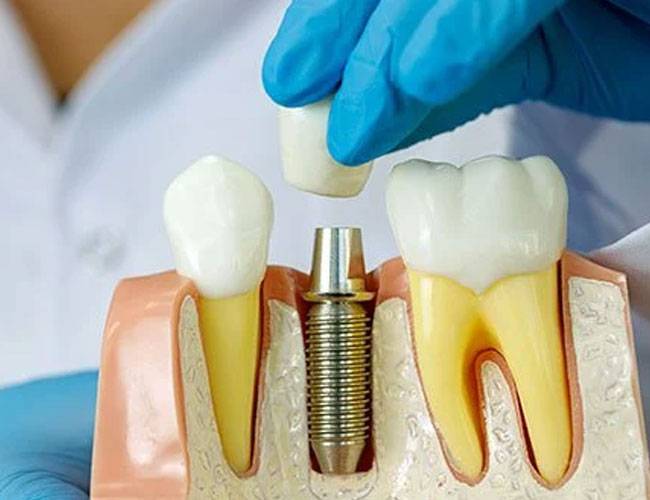
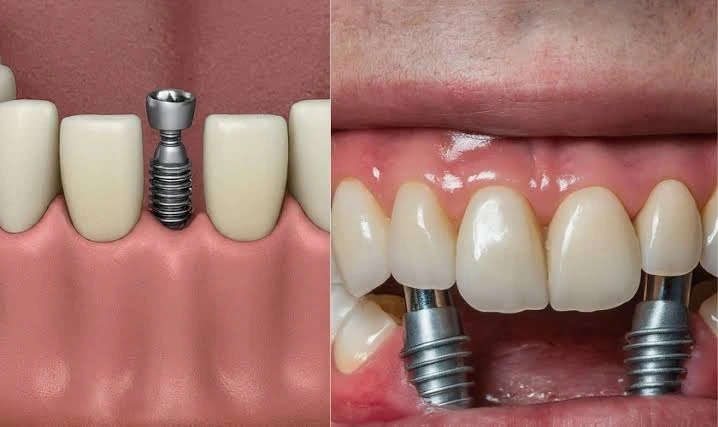
While extraction seems cheaper, replacing the missing tooth with an implant can cost ₹25,000 to ₹60,000, making it more expensive in the long run.
Root Canal vs Extraction Second Molar: What Should You Choose?
The second molar plays a key role in chewing and maintaining bite balance.
Why Saving a Second Molar Matters
- Helps in proper chewing
- Prevents stress on adjacent teeth
- Maintains jaw alignment
Best Option?
In most cases, root canal vs tooth extraction for the second molar favors root canal if the tooth structure is restorable.
However, extraction may be needed if:
- Tooth is severely fractured
- Infection has spread extensively
- Bone support is compromised
What Do Dentists Recommend?
Most dental professionals follow a simple rule:
“If the tooth can be saved, it should be saved.”
Preserving your natural tooth is always the first priority because:
- It functions better than artificial replacements
- It prevents future dental complications
When Is Extraction the Better Choice?
Sometimes, extraction is unavoidable. Choose extraction if:
- Tooth is beyond repair
- Severe infection risks spreading
- Root structure is damaged
- Patient has advanced periodontal disease
Quick Decision Guide
Choose Root Canal if:
- Tooth can be restored
- You want long-term benefits
- You want to maintain natural appearance
Choose Extraction if:
- Tooth is severely damaged
- Budget is limited (short-term)
- Infection is uncontrollable
Conclusion
When it comes to root canal vs tooth extraction, the best choice depends on the condition of your tooth. However, in most cases, saving your natural tooth through a root canal is the smarter and healthier option.
Extraction may seem easier and cheaper at first, but it often leads to additional treatments and costs later.
Final Takeaway:
- Always try to save your natural tooth first
- Consider long-term health, not just immediate relief
- Consult an experienced dentist for the right diagnosis
If you’re facing dental pain, don’t delay. Early treatment can make the difference between saving and losing your tooth.
FAQs
1. Which is better, root canal or tooth extraction?
Root canal is better if the tooth can be saved because it preserves natural structure and prevents future complications.
2. Is a root canal more painful than extraction?
No. Modern root canal treatments are nearly painless and often more comfortable than extraction recovery.
3. What lasts longer, root canal or extraction?
A root canal-treated tooth can last a lifetime with proper care, while extraction requires replacement for long-term function.
4. Is root canal expensive compared to extraction?
Yes, initially. But extraction followed by implants or bridges is usually more expensive in the long run.
5. Should I remove a second molar or get a root canal?
If possible, choose a root canal. Second molars are important for chewing and maintaining bite alignment.
Also Read:
Root Canal Aftercare Guide
Root Canal vs Dental Implant
Veneers vs Crowns
Calculus in Teeth
Disclaimer
Please note that the prices mentioned on this page:
(a) represent an estimated range and may vary depending on the severity of the dental condition, treatment complexity, technology used, and the type or quality of dental materials selected. (b) are accurate as of the date of publication and are subject to change without prior notice, as per standard clinic policies. (c) may differ from actual treatment costs due to variations in individual diagnosis and treatment requirements, and general information available through online or AI-based searches may not always reflect real-time pricing.
Author